Concrete is great in compression. You comfortably put 500 times the weight of the concrete on top of concrete with no problem.
Unfortunately, concrete totally sucks when it comes to resisting tension. Over very short spans, it has trouble resisting the load of its own weight, let alone any other weight on top of it.
In other words, great for columns, terrible for beams
Concrete handles tension about as well as stone does, which is “not at all”

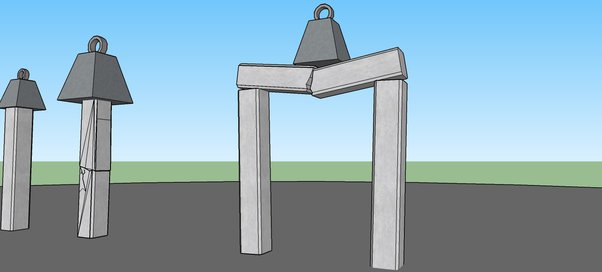
Stonehenge – massive columns, tiny beams.
However, there is a trick
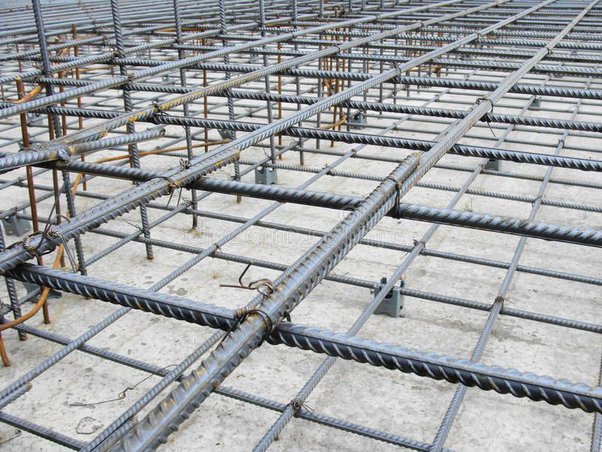
Steel works great in tension, not so good in compression – it makes a better beam than a column. Combine the two, and you get a substance that’s very strong in both compression and tension. You don’t need much steel either – just enough to keep everything together.
In addition, the concrete acts as fire protection for the steel, meaning the structure remains strong even in a fire (which as we know can turn steel to butter, but doesn’t affect the strength of concrete.
Primarily used in civil construction as beams and columns, steel is used to reinforce these load-carrying members.
Concrete alone is superb in compression (and great for burying fresh dead bodies, a use which the mafia extensively puts it to), but pitiable in tension and bending.
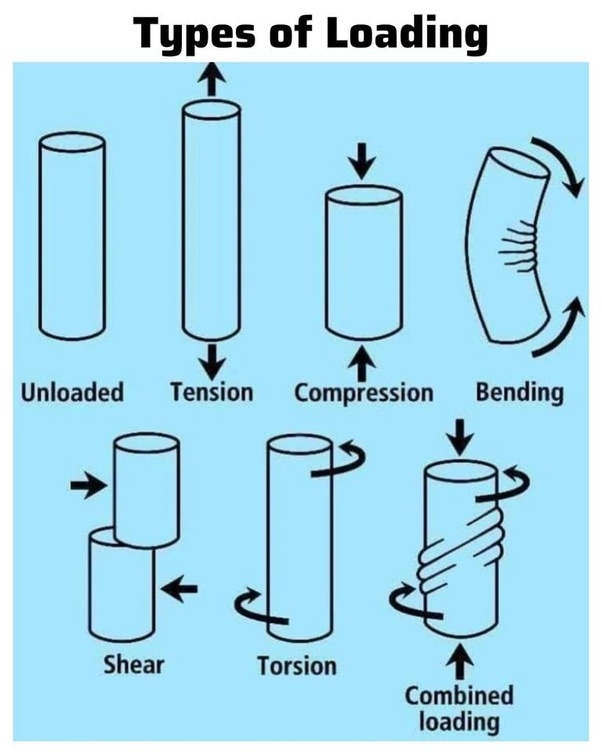
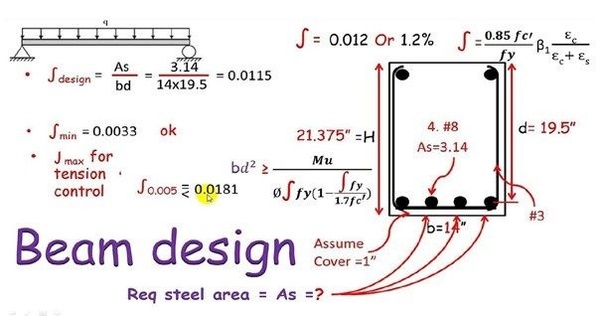
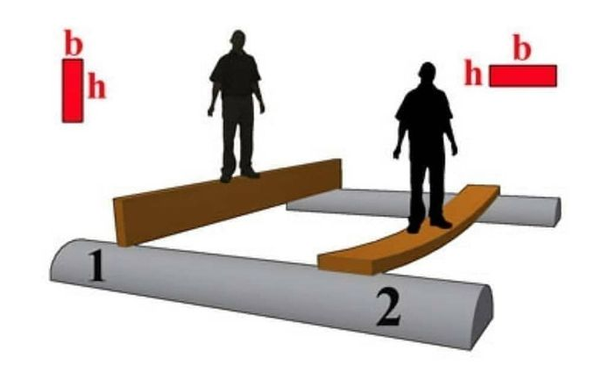
Beams, in particular, carry a lot of bending loads. The addition of steel to these members allows them to safely carry such loads.
Concrete arose as the result of an idea: portable stone.
Seeing all the medieval structures still standing tall after centuries, engineers realized that stone was great construction material, but needed to be portable.
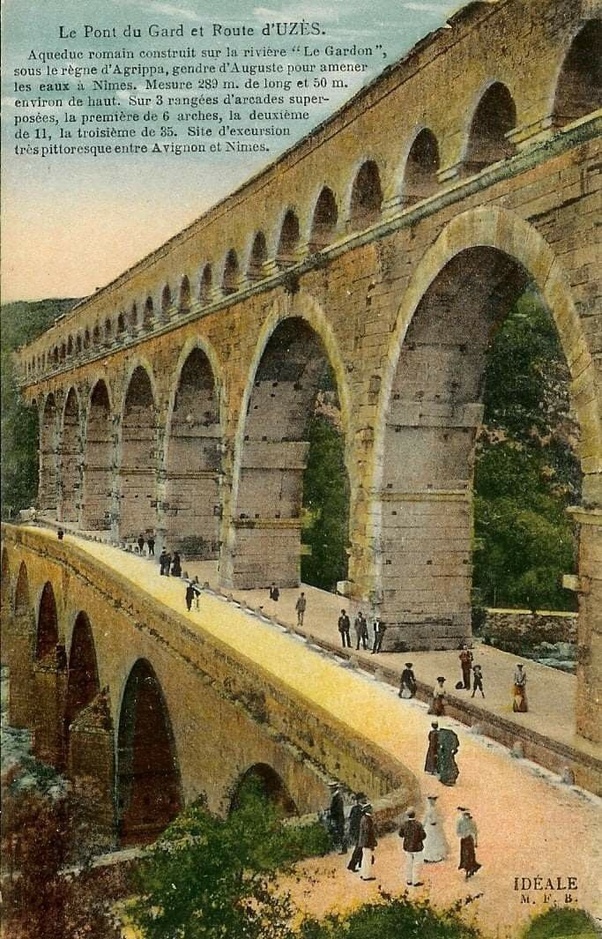

Carrying huge (or even small) stone slabs from quarry to building sites everywhere was not feasible.
So, someone invented a stone manufactured at site: concrete.
And oh, by the way, how did those old stone structures take bending loads?
Very ingeniously, by techniques like the “keystone”.
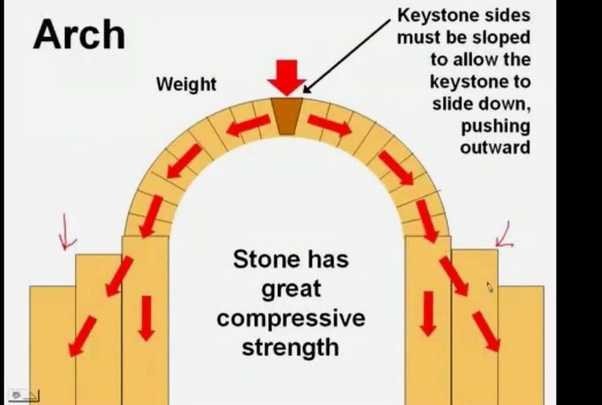
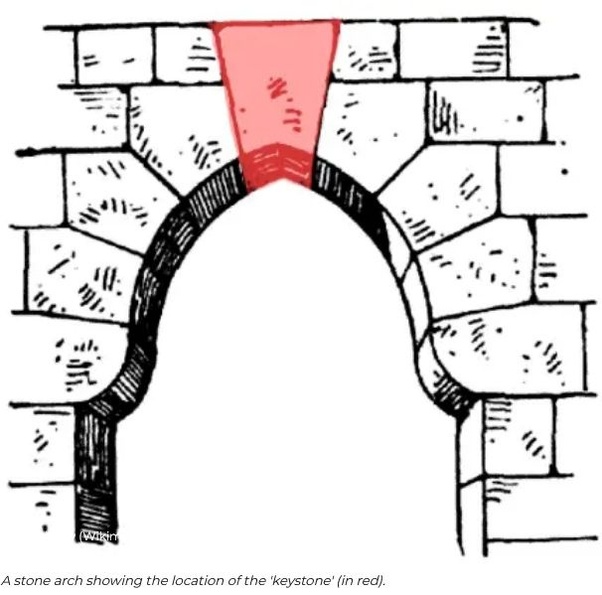
The term “keystone” is an architectural reference to a wedge-shaped stone at the top of an archway. It is the last stone builders place in the arch to lock the other stones into position and enables the arch to bear a building’s weight. If the keystone is removed, the arch—and possibly the entire building—could collapse.
It comes down to compression and tension. Concrete is strong in compression, like a column, wall or foundation. But as loads increase, the column sides blow out. Lateral loads are out all together.
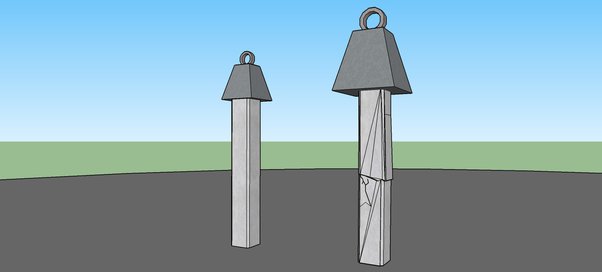
But unreinforced concrete has little strength in tension, like a lintel beam.
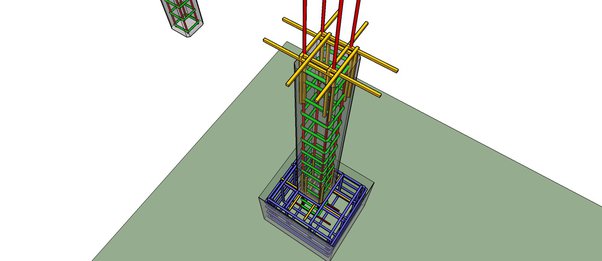
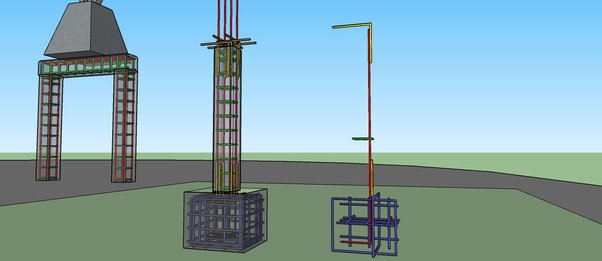
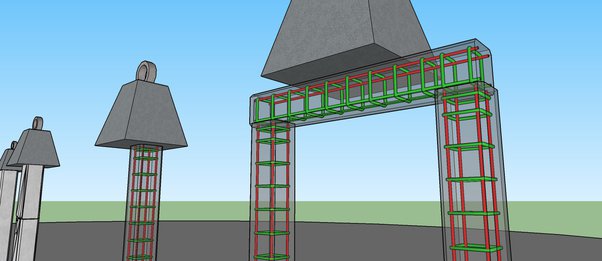
Longitudinal compression steel wrapped with tension fighting bands strengthens a column and in the lintel, the top chords of steel compress while the bottom chords are resisting tension, and the bands wrapping the steel chords are in tension. Green and red are tension and compression respectively. The yellow angle iron is the magic key.
This is layman’s conceptuals of the foundation/column connection. In heavy construction the red compression steel is welded or coupled directly in line from the roof to the foundation. I left out the inner matrix of cubes inside the foundation model for simplicity.
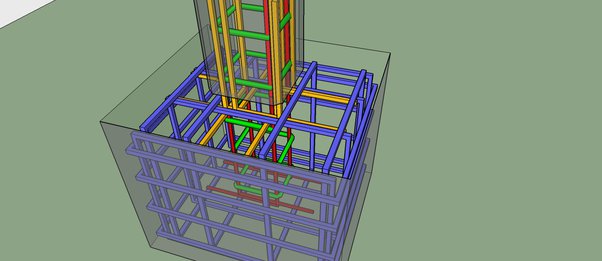
With this large a foundation block, I imagine 4 or more floors above, the red vertical steel would be butt welded or coupled directly in line with the lower rod. Straight down from the roof slab to the foundation block.