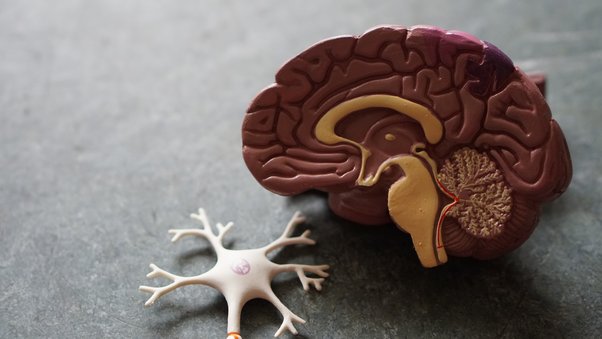
The brain and nerve cells require a constant supply of oxygen and subsequently they will die within a few minutes, once you stop breathing.
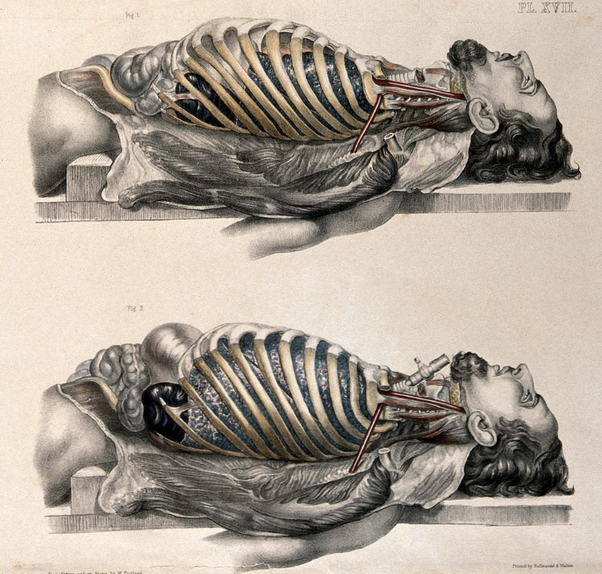
The next to go will be the heart, followed by the liver, the kidneys and pancreas — which can last for about an hour. Skin, tendons, heart valves and corneas will still be alive after a day. White blood cells can keep going for almost three days.
Interestingly, once someone dies, the body quickly enters the so-called “twilight of death” in which gene transcription — the first step of gene expression, where a segment of DNA is copied into RNA — occurs. This could happen within hours or even days after the individual as a whole was declared dead.
For years, researchers have noted that recipients of donor organs often exhibit increased risk of cancer following a transplant, and some researchers think that there could be a link between “twilight of death” gene transcription and this increased cancer risk.
In some sense, in the aftermath of death, the surviving cells start changing their DNA in a state of blind panic, and that could be the very cause of later cancers after transplants.
As if death is a cancer in itself — ready, to strike again.
The heart is often considered the last organ to stop functioning in the human body. When a person experiences cardiac arrest, the heart stops beating, and if not promptly revived, it can lead to irreversible damage and death.
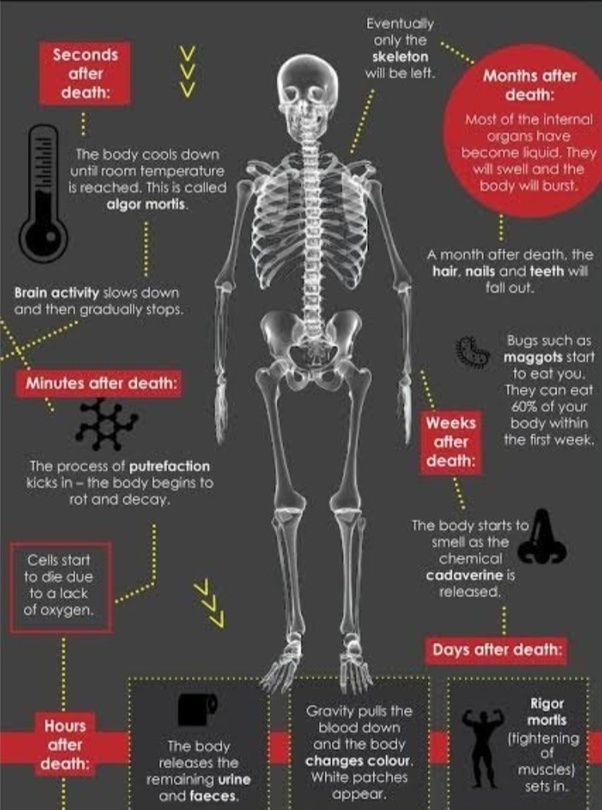
The brain is often considered one of the last organs to cease functioning. While it relies on a constant supply of oxygen and nutrients, the brain can remain active for a short period, even after the heart has stopped . This is why there is a focus on administring cardiopulmonary resuscitation (CPR) to maintain blood circulation to the brain during medical emergencies.
Other organs that may persist for a short period after the heart has stopped include the liver and kidneys. These organs can continue some level of function due to their ability to store and metabolize certain substances.