Fighter jets are impressive machines designed to fly at high speeds and altitudes while performing advanced maneuvers. However, every aircraft has its limits, including the maximum altitude that it can reach.
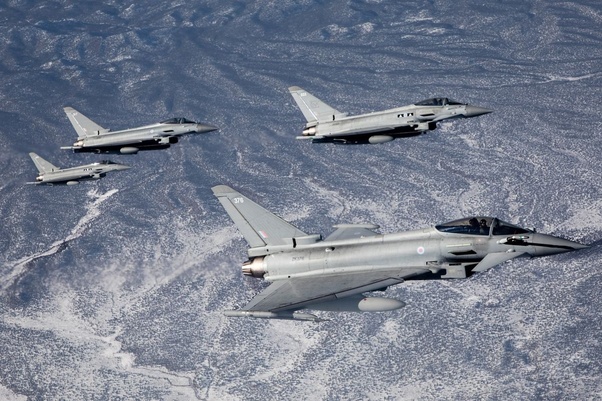
The maximum altitude that any fighter jet can reach varies depending on the type of aircraft, but it typically ranges from 50,000 to 60,000 feet. This height is known as the service ceiling, which is defined as the maximum altitude an aircraft can reach while maintaining a steady rate of climb of 100 feet per minute.
The reason why fighter jets can’t go further up is due to the thinning of the air at higher altitudes. As an aircraft climbs, the air pressure decreases, making it harder for the engines to produce the necessary thrust to keep the plane flying.
Additionally, the air becomes less dense, which reduces the lift generated by the wings, making it difficult to maintain altitude.
Another factor limiting the altitude of fighter jets is the human body’s ability to tolerate high altitudes. At extreme heights, the lack of oxygen and low air pressure can cause altitude sickness, hypoxia, and other health complications for the pilot.
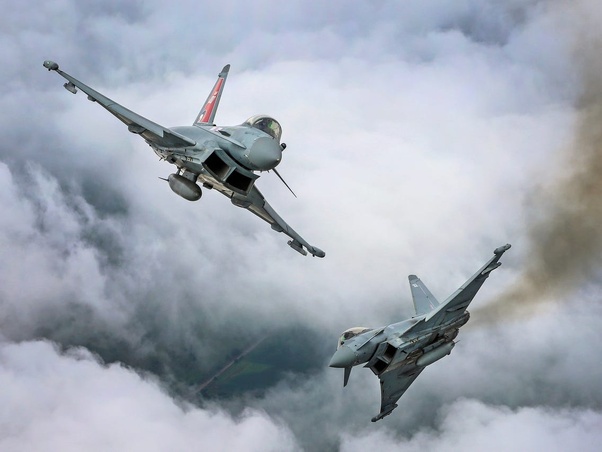
Moreover, the service ceiling of an aircraft is not only affected by the engines’ power but also by the aircraft’s weight and design. A heavier aircraft or one with less powerful engines will have a lower service ceiling than a lighter and more powerful one.
So the maximum altitude that any fighter jet can reach is determined by several factors, including engine power, aircraft weight, and design, as well as the human body’s physiological limits.
While fighter jets are capable of flying at high altitudes, they have limits, and going any further up can be both technically and physiologically challenging.
But before you go – a click on the upvote button will make both of us happy.
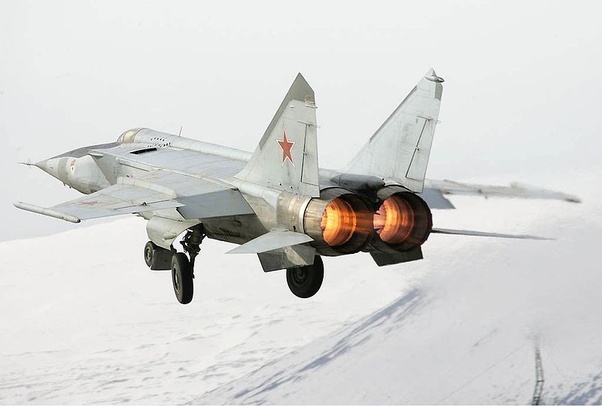
In August of 1977, a Soviet Union test pilot strapped himself into a twin-engine MiG-25 supersonic interceptor and set a record for absolute flight altitude that still stands today. He climbed to an altitude of 123,523 feet.
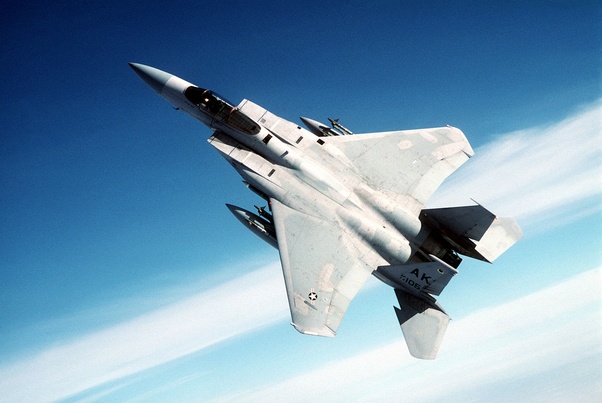
In a two-week time period in January and February 1975, the F-15 Eagle broke eight time-to-climb records set by the MiG-25.
It reached an altitude of 98,425 feet in just 3 minutes, 27.8 seconds from brake release at takeoff and “coasted” to nearly 103,000 feet before descending.
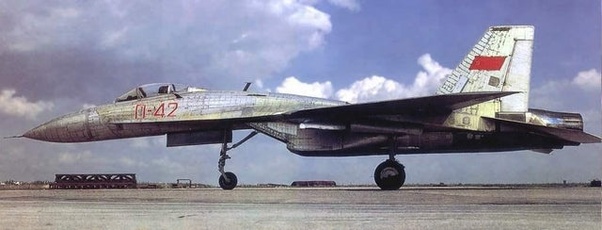
In the Fall of 1986, the Russian SU-27 Flanker broke those 8 time-to-climb records again. Just as the F-15 was in 1975 and the MiG-25 and F-4 were during their record flights, the SU-27 was modified to be as light as possible for the record flights.
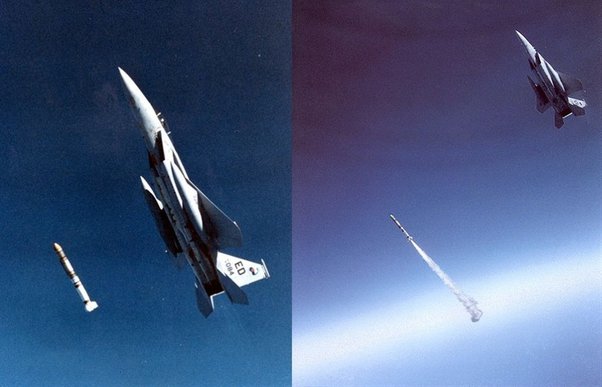
These altitude records have little value in combat, other than the ability of these models possible being used to launch anti-satellite missiles.
The problem with going beyond 60,000 to 70,000 feet is that the atmosphere gets so thin at those elevations, that jet engines can’t take in enough oxygen to keep burning fuel.
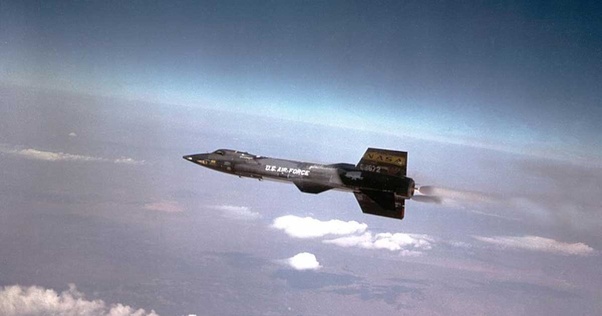
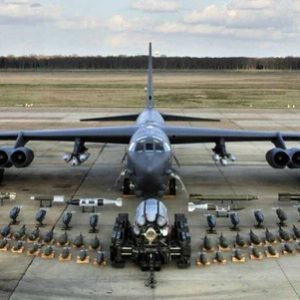
The X-15 was flown over a period of nearly 10 years – June 1959 to Oct. 1968 – and set the world’s unofficial speed and altitude records of 4,520 mph (Mach 6.7) and 354,200 ft in a program to investigate all aspects of piloted hypersonic flight. The X-15 was powered by rocket engines, and was air launched from a B-52 aircraft at 45,000 ft and a speed of about 500 mph.
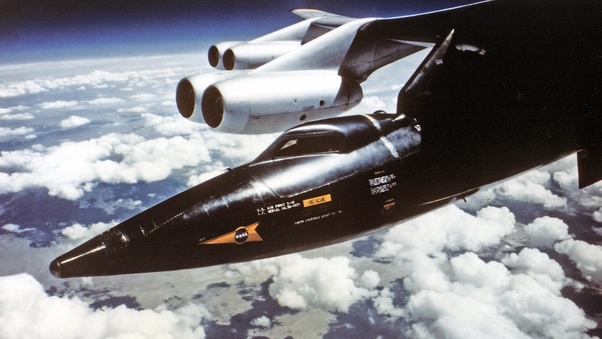
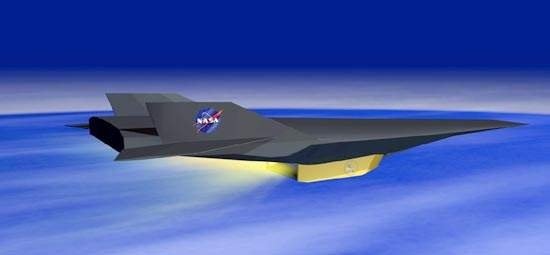
Attempts to build hypersonic aircraft, that will travel at extreme altitudes to reduce drag, have involved using hybrid propulsion, that can either transition from jet to rocket engines, or have scramjets, that combine jet engines with supersonic, ramjets.
A scramjet engine, which is still technically an Air breathing engine, will provide the highest possible service ceiling without carrying its own oxygen supply. Theoretically, they can operate at up to 250,000 ft (75 km). For comparison, “space” begins at around 330,000 ft (100 km).