1. The cabin of the space shuttle.

2. These wings can lift 640 tons off the ground.

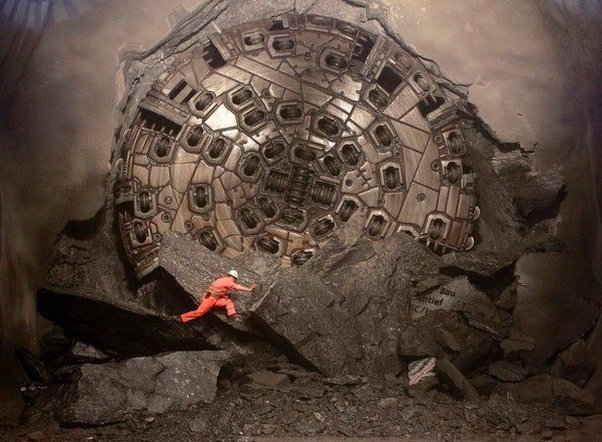
3. A tunnel boring machine.
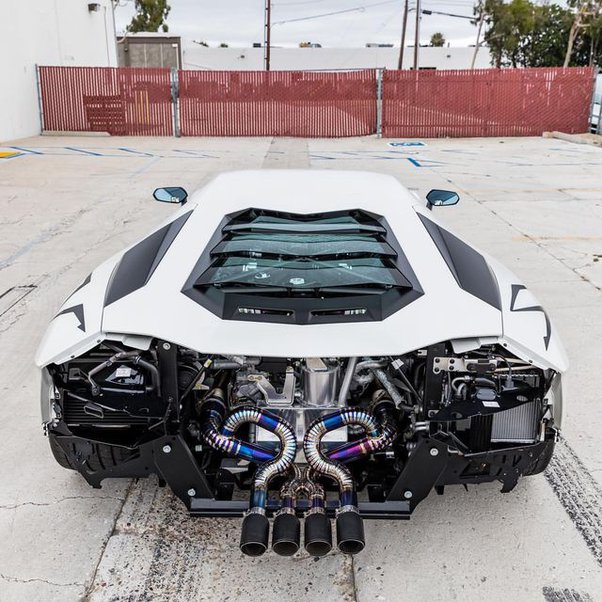
4.
Lamborghini Aventador without rear panels.
5.
This is how the foundations of bridges over a river are made.

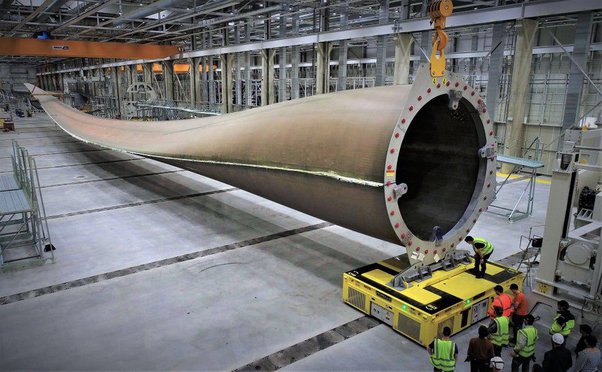
6. The longest wind turbine ever built in Cherbourg, France.
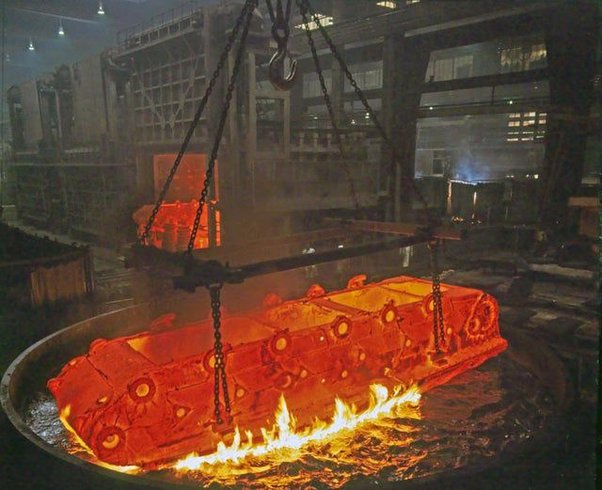
7. The body of a 68AA2 tank undergoing heat treatment.
At some point, you also probably asked, “What about resurrecting these animals that went extinct thousands (or millions) of years ago?”—animals like woolly mammoths, dinosaurs, and dodos.
Apparently, with the latest experiment of Colossal Biosciences, it could be possible. There’s hope that we can see “some” of these animals breathe again.
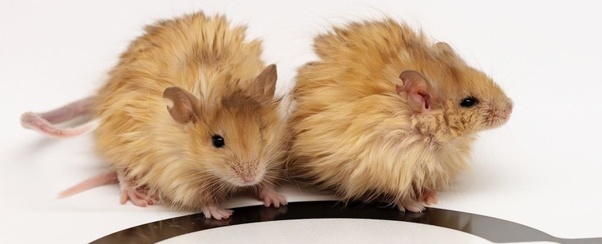
Just very recently, Colossal Biosciences successfully genetically engineered two mice with mammoth-like features. They’re called woolly mouse—derived from the woolly mammoth’s name.
An ordinary mouse doesn’t grow hair as long as these. The long, brown, and silky hair is intentionally engineered to make these mice resemble a real mammoth. And they are 3x longer than that of an ordinary lab mouse.
The purpose of this experiment is to understand the connection between DNA sequences and the physical traits of mammoths. At this point, they are not yet at the doors of resurrecting extinct animals. They just want to restore the lost trait—the thick and distinct hair of mammoths in particular—that allowed them to survive in cold climates.
The creation of the woolly mouse is highly scientific, of course.
But, concisely, they looked at how mammoth traits differ from the Asian elephant—their closest relative. This gave them a solid basis of the distinction of mammoth in terms of hair properties and body fat.
Then, they found similar DNA variants of these traits in lab mice and altered them by inserting mammoth-like genes to make them develop into miniature mammoths, so to speak.
That’s it.
The problem though is that they aren’t certain enough if these modified mice are cold-tolerant like mammoths. However, they believe that their success in replicating a mammoth’s feature in a mouse is the first step in tapping many more possibilities—like ultimately resurrecting extinct animals.