The aviation market simply changed too much between the time the Airbus A380 was designed and when it entered service. The biggest problem with the A380 is that you need butts in seats to make that model of flying work. So, it can really only work on high demand routes.
Of course, the super efficient twin engine aircraft like the Boeing 787 and Airbus’ own A330neo have offered fierce competition to the A380 since they can fly just as far, but use much less fuel, and require less in the way of passenger demand. Not to mention increased flexibility, since A380 aircraft need their own dedicated facilities and infrastructure due to their massive size.
Obviously, we can say this in hindsight. At the time the A380 was designed, it was not yet clear how much the aviation market would change over the following years. Currently, Emirates is one of the airlines still making the A380 work because they continue to employ a hub-and-spoke model since Dubai is an ideal base to connect eastern and western routes.
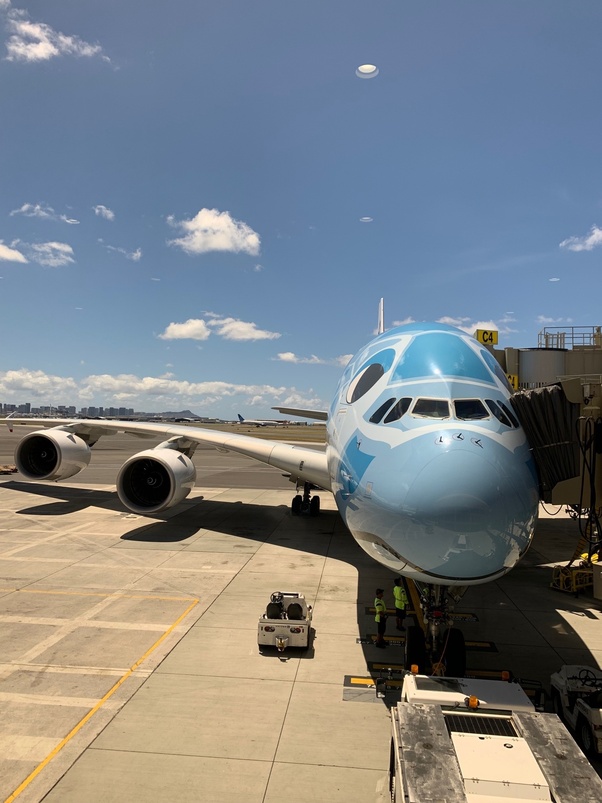
All Nippon Airlines (ANA) also continues to utilize the A380, but with much less success. Currently, the A380 is used on the Honolulu to Tokyo route, but recent demand hasn’t been there for the airline, so it’s not clear how long ANA will continue to keep the A380 in service.
It’s possible that only 2–3 airlines will continue to operate the A380 by the end of the decade. Sadly, I wouldn’t put the A380 down as an overall success. Still, you have to marvel at it as a feat of modern engineering.