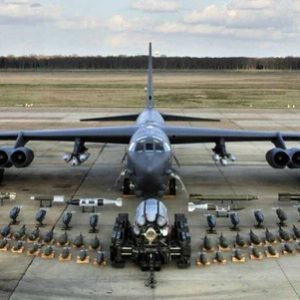
No.
Fun nuclear weapons fact. If you detonated ALL the nuclear bombs EVER made (over 80,000 lifetime, about 12,000 left today), the energy released would not even compare to the energy released by a SINGLE hurricane. Amazing, right?
Google it, it’s true.
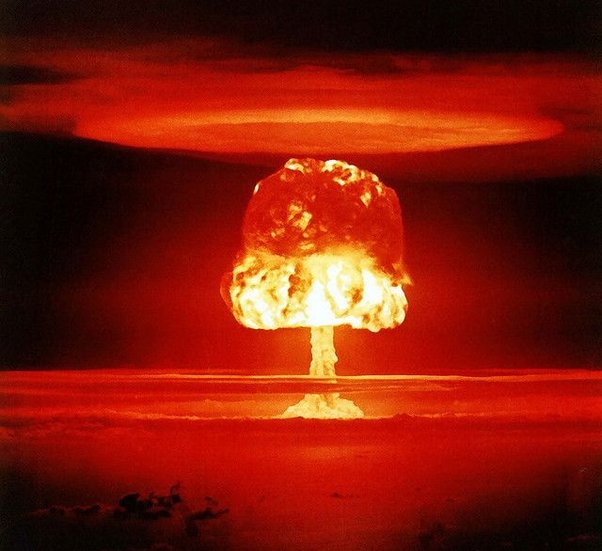
There are 12,705 nuclear warheads worldwide as of January 2022. That would be roughly enough to destroy up to 100 largest cities in the world (A city like Moscow takes some 30, 300kT warheads to fully cover). There would still be some survivors, even in the cities that were hit.
There wouldn’t be enough nukes for the small towns and villages.
A relatively small percentage would die directly from the explosions. The total death toll might be 60–90% of the global population, most of whom will die of starvation, within the first year after detonation, due to the collapse of global agriculture and logistics chains.
The remaining 10–40% might restart low-intensity, subsistence farming in regions that support it (Europe, India, China, North America), after decontamination of the land. This would typically involve removing 20–30cm of irradiated top soil, without the use of heavy equipment, which would be a monumental task – but doable.
Regions not listed, where the soil and climate does not naturally support farming without fertiliser, will drop further to 1–5% of the original population, of hunter-gatherers.
Humans, dogs, rats, pigeons and a few other species are incredibly resilient and impossible to exterminate by nuclear weapons. Still, life would be short and nasty for the next few generations, after the detonation.
On the flipside, after a few years of dying off, due to radioactive fallout and nuclear winter – the rest of the ecosystem might actually start a rapid recovery, with the human activity now minimised.