Knowledge

If a plane ran out of fuel at 35,000 feet doing 550 mph, how far could a pilot coast the plane?

We have a real-word example of such a problem.

In 1983, Air Canada Flight 143, known now as the Gimli Glider, ran out of fuel at 41,000 feet. During the unpowered descent, the pilots empirically determined that the 767 had a glide ratio of 12:1, losing 1 foot of altitude for every 12 feet traveled.

It took 17 minutes from loss of fuel to landing.

Assuming a 12:1 glide ratio, a plane could go 420,000 feet (~79 miles) forward from 35,000 feet.

In real life, descent rate will vary based on the weather conditions, the aircraft design, payload, and piloting. There is no single answer.

Depends on what we’re talking about. This one was a terrible glider and won’t get very far:
This one would get quite far:
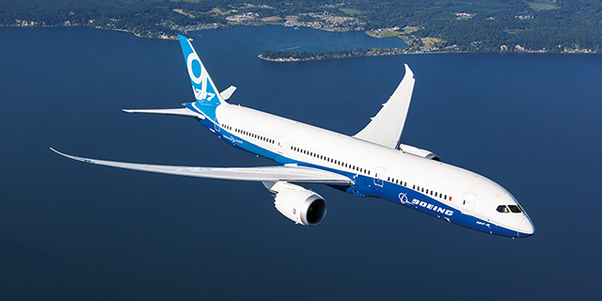
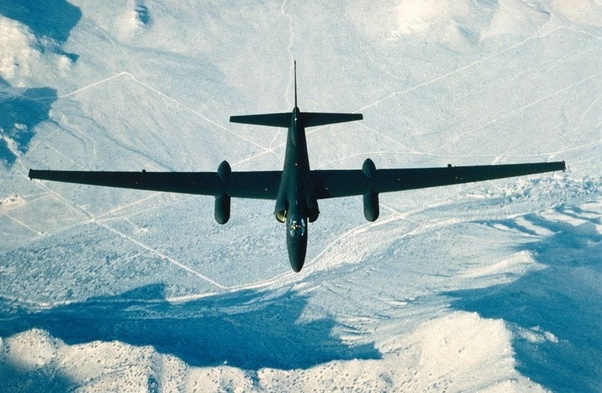
But the best one would be something that looks like this:
The easy estimate of how far an airplane can glide is the glide ratio, which is equivalent to the Lift/Drag ratio.
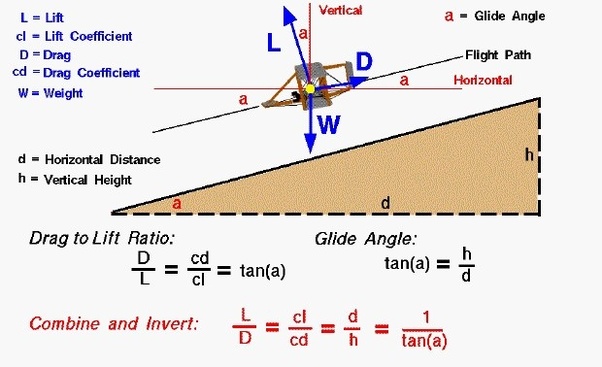
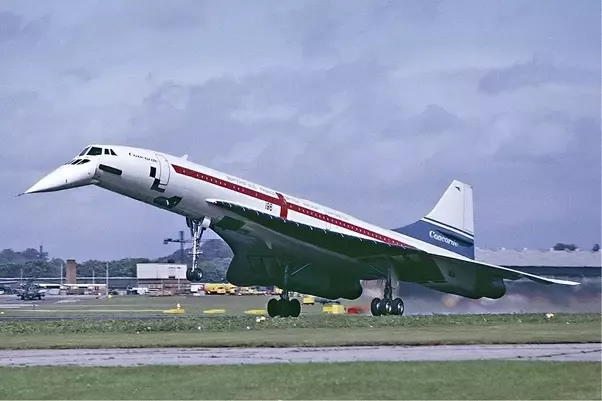
The numbers for those airplanes are approximately: 7–10 (Concorde), 18–20 (787), 25+ (U-2).

So as a rough estimate, multiply those numbers with the altitude to get the gliding distance: 65-ish miles (Concorde), 130-ish miles (787), 165-ish miles (U-2). Of course, this will be less in practice given that the airplane won’t just fly in one straight line all the way down and there might be other “real world” factors like wind that affect the aerodynamics.
Related Posts

Do submarines still have a big advantage over ships in war, or can ships find them and launch smart guided torpedoes from a safe distance?

During the time I served, if you asked a submariner what kind of ships did the Navy have, they would usually reply: submarines and targets. During one particular…

Is it better to inflate the tires a little more than recommended?

Will it make the tires last much longer? Why was I told this? Will it also make your tires more prone to blowing up if they are older…

Why do PCs gradually get slower with usage?

There’s 4 main reason for this, but only 2 of them are genuinely noticeable unless it’s a severe case of the latter reasons. Here are they by rank…

Do submarines hit things in the water?

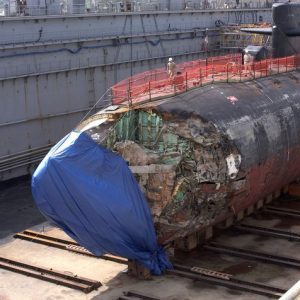
Yes they do. There have been reports of submarines hitting whales, surface ships, and other submarines. Here’s a photo of the Los Angeles class USS San Francisco after…

Can U.S. aircraft carriers get bigger? Say 75 percent or two times bigger and than they are today as well as require less manpower to operate them? What are the pros and cons of this?

Can they? As in, is it theoretically possible with current engineering? Sure. Should they is another matter, and the answer to that is definitely no. If you look at the…

Why do some aircraft like the TU-95 and B-52 outlast newer planes? What features make them so adaptable over the years?

Just because they are big. Let me explain. Nowadays, the role of a strategic bomber is obsolete, as these big flying clunks are really easy prey for modern…