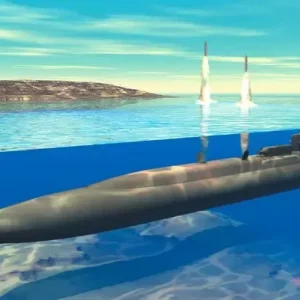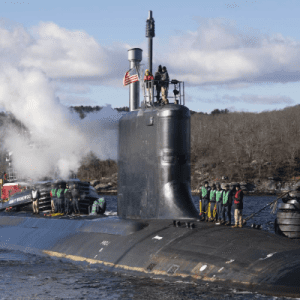
Approximately 1973, a USS Will Rodgers (SSBN 659B) crewman had a ruptured appendix roughly midway thought our patrol. The mission was a nuclear deterrent patrol, meaning 3 months underwater remaining undetected awaiting a coded war message to launch missiles.
My prior patrol had a LCDR MD aboard as part of the crew. The practice of having a MD aboard a SSBN was being curtailed at the time because the Navy had insufficient numbers of officer MDs to be assigned to every SSBN on patrol.
This patrol had only one Navy corpsman on board. The corpsman was not trained for surgery nor was he a “hot runner” (in general, not that swift and his hands shook during a trial surgery). The corpsman had read his manual and prepared for an emergency appendectomy as best he could but clearly was not up to the task.
Our limited supply of antibiotics had kept the sailor’s infection under control but were almost exhausted. Since medical treatment was essential in a life-threatening situation, the CO broke radio silence to send a burst transmission to SUBLANT for instructions on what to do.
The international threat assessment in 1973 was not severe and the powers that be decided to arrange a helicopter rendezvous to take the sick sailor ashore for medical treatment. After checking for no ships nearby, we surfaced at the time and location mandated (open sea), met the chopper and had the sailor hoisted off the deck. Ten minutes or so later, we dove and continued our patrol to the end.
My personal view is that the CO was justified, and the mission was not jeopardized. The sick sailor was saved and rejoined the crew during our next shore rotation. In wartime and national emergency, the outcome might have been different.
But I believe this was the right outcome and the officers involved made the correct decision under our circumstances, resulting in a life saved. I’d probably decide differently if the sailor had died before he could be transferred. Since we could not act to save a life, I believe the mission came first despite the impact on the dead sailor’s family from a delayed report of death.
Since cold storage was available, the mission could continue without interruption or possible SSBN location disclosure to an enemy. Fortunately, the crew is relatively healthy and young. Life-threatening incidents are relatively rare.