
Yes, but probably not the way you’re doing it.
I used to think all dogs loved head pats until I started really diving into canine body language. It turns out, for a lot of dogs, a hand coming over their head adds mild stress. They tolerate it because they love us, but they don’t necessarily want it.
The real secret is the Consent Test. Pet them for three seconds on the chest or shoulder, then stop completely.
If they nudge you, paw you, or lean in? That’s an enthusiastic yes. If they just stand there or look away? They were just being polite.
Once I started paying attention to this distinction, the difference in my dog’s demeanor was night and day. It’s actually changed how I look at pet products and toys, too. we assume we know what they like, but they’re usually telling us otherwise if we just look.
When you have ever touched your dog to pet it and all of a sudden you have wondered, do they actually like this or am I just assuming they do, then you are asking a good question. Many American dog owners truly intend to do the right thing by their dogs. We cuddle them, rub their ears, rub their stomachs, and suppose that wagging a tail equals utter happiness. Yet dogs, as people, have tastes and to know them is one of the most loving things you can ever do.
The answer is yes most dogs like to be petted however that has to be in a manner that is safe, respectful and as per the personality. To give the longer reply, a little canine psychology would be necessary.
Dogs are social animals. Having been domesticated over the course of thousands of years, they have developed a need to have someone to cuddle. Both people and dogs release oxytocin the bonding hormone upon touching. That is one of the reasons why it can be relaxing to you and restoring to a dog to be petted. Nevertheless, being social does not imply that dogs love any touch of any individual at any time.
Consider the way dogs meet. They do not run up and hit each other on the head. They move slowly, interpret body language, sniff and leave space to each other. When we bend over a dog and pat the top of the head instantly, particularly when the dog is not well known to us that may seem invasive. As a dog, even a hand falling directly down on their face may be a little threatening.
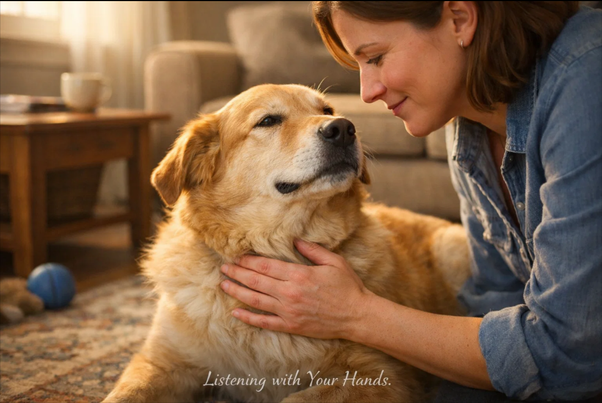
Majority of dogs like petting on the chest, shoulders or side of the neck and not on the head. These spaces are less challenging and are less natural. It is possible to tell how much you dog is enjoying the interaction by observing some subtle signals. Clear green lights are a loose body, drooping eyes, leaning towards you, or pushing you into whatever you say. Alternatively, when your dog turns their head away, licks his lips with his tongue, yawns, stiffens or even takes a few steps backward, then he is probably tolerating you and not enjoying it.
This is crucial especially in households with more than one person or in households hosting visitors. Most of the well-wishing Americans urge their visitors to pet him as he is friendly. Friendliness, however, does not necessarily mean consent. There are those dogs that are very much attached to their owners and much reserved to strangers. Some others might be fond of morning cuddles but want to have space in the evening hours. Their comfort, just like ours, may depend on the mood, the environment, and the level of energy.
Quadrupedal and personal temperament do count. A Golden Retriever can be a dog that seeks physical attention always due to the crowded family setup. Other breeds such as a Shiba Inu or some working dogs are more of an independent breed and might want to interact in their own way. The rescue dogs particularly those of unknown backgrounds might require more time to relate touch with safety.
Among the best things you can change in your life as a dog owner, is to stop and ask yourself, Is my dog making this choice? One of the tests that are common among trainers is the consent test. Play with your dog, and in a few seconds, cease. And when they push your hand, jump against your back, or scratch you, they are asking to do it again. Should they go away, or even merely change their seats, they have their answer of you.
And, to learn more about how dogs feel about our actions, I usually suggest The Other End of the Leash by Patricia McConnell on Audible. According to McConnell, the human instincts such as hugging, direct eye contact and head pats do not necessarily translate to dog language naturally. Her observations can entirely transform the way you analyze the actions of your dog and allow you to form a relationship with it on the level of understanding rather than presumption.
In the end, the majority of dogs are desiring affection. They desire intimacy, comfort, and relationship to the persons they believe in. However, it is not touching all the time that they hold dear, but the feeling of being safe. After petting, when it is predictable, tender and attentive to their cues, it enhances your relationship. It may cause the slightest form of stress when it disregards their cues.
The best part about it is that dogs are very forgiving communicators. They constantly feed us back – with body language, gesture, eye contact and vitality. The better you learn to see it the more you build your relationship.
Your dog is not simply taking your affection at the end of the day, he is engaged in a conversation. And when you learn, to listen with your hands, as well as look, petting is more than habitual. It becomes trust.