The Great Marianas Turkey Shoot was the unofficial name the press gave to the aerial phase of the Battle of the Phillippine Sea. The name comes from a remark given during debriefing by a USS Lexington pilot, which found its way into a Navy press release. Once the press got hold of it, the description was ensconced in history.
By mid-1944, several factors had come together to seal the fate of Japanese air power in the Pacific. American carrier strength had fully recovered and far exceeded what it had been in 1942 – 43 as the Essex Class fleet carriers, bolstered by dozens of light, and escort carriers, became available. These ships were manned by highly trained crews and a flood of pilots from a training pipeline that had hit maximum efficiency.
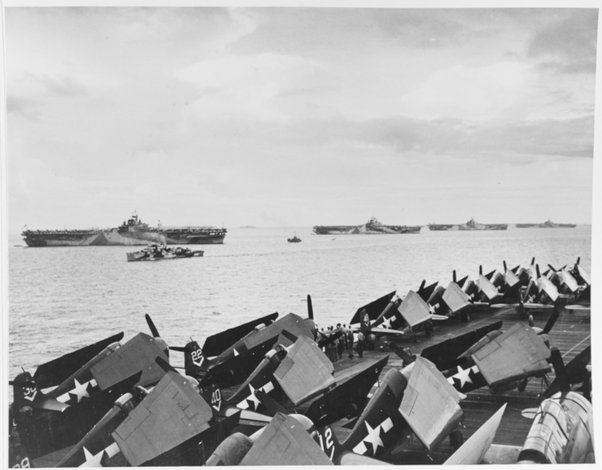
A key factor in creating that pipeline was the US policy of removing experienced pilots from combat and rotating them into training roles, so new pilots benefitted from their experience. This contrasts with the Japanese policy of keeping pilots in combat until they were killed or too severely injured to fly.
The result was the American Air Forces grew stronger as the war went on, while the Japanese grew progressively weaker. To compensate for these shortcomings, the Japanese rushed pilots through training. They were often posted to frontline units with half the flight hours of their American opponents.
The American mass production method of pilot training was coupled with a logistics system unlike anything seen before. By 1944, American forces in the Pacific went into battle with not just a sufficiency of supplies but an embarrassment of plenty.
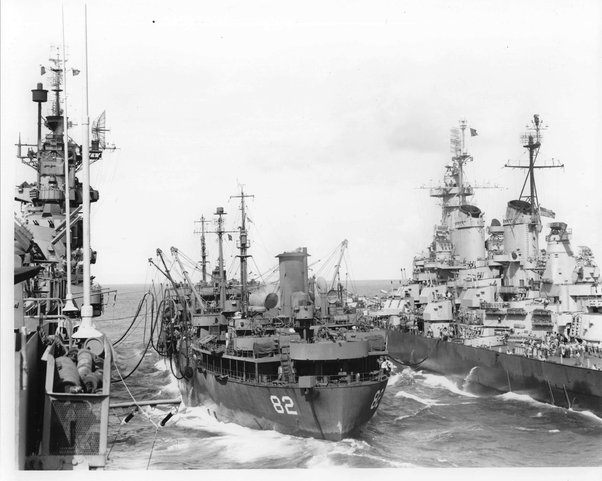
The hub of this logistics system was the world’s largest naval facility at Ulithi Atoll.
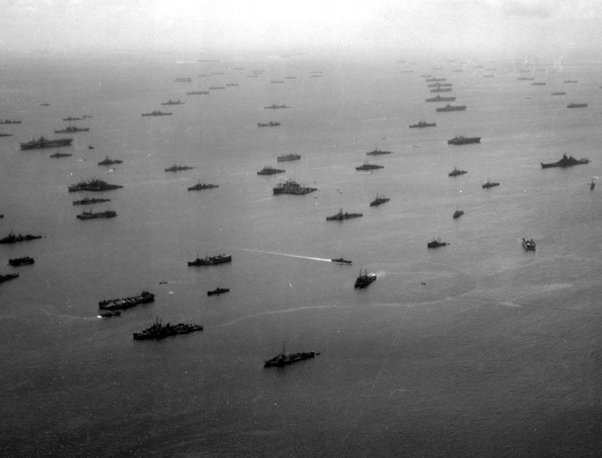
It included everything from drydocks capable of servicing battleships to an ice cream plant that produced 1500 gallons of ice cream per day.
At the same time, The much-ballyhooed Zero had become obsolete, and by 1944, American pilots had been thoroughly trained in its weaknesses and the tactics to defeat it. At the same time, American forces had fully deployed the F6F Hellcat, a vast improvement over its predecessor, the F4F Wildcat.
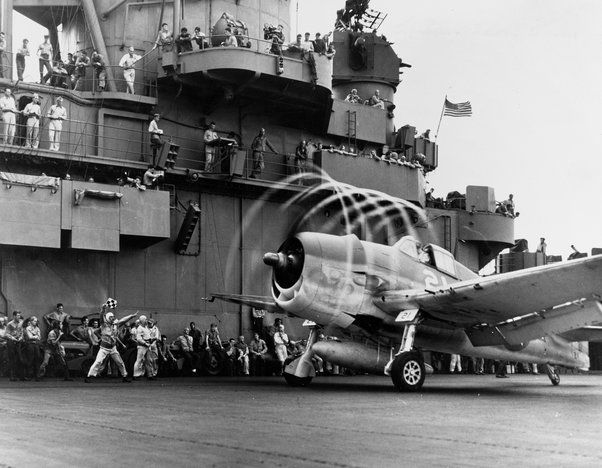
The Hellcat was the perfect fighter for the conditions of the Pacific War. It was not the fastest, it did not have the greatest range, nor was it the most maneuverable. It could take a lot of punishment and bring its pilot home, but most importantly, it was easy to build, easy to fly, and easy to maintain. The F4U Corsair enjoyed the post-war glamor, but the Hellcat shot down more airplanes.
The American submarine campaign was also having its effect on the Japanese supply system. Chronic fuel shortages hampered training, and what fuel was available was often of low quality, reducing engine performance in combat. Spare parts were constantly in short supply, and many airplanes were grounded for lack of spares.
The result was the Japanese fought the battle with out-of-date airplanes, manned by under-trained and inexperienced pilots while outnumbered by a force equipped with the latest technology manned by highly trained aircrews. The outcome was never in doubt.
Radar was still relatively new in naval warfare but had developed rapidly during the war. Shipboard air search radar and air intercept controller procedures gave the US a significant advantage in protecting their ships from Japanese air attacks. Good radar and the tactics for using it meant that Combat Air Patrols could be vectored to incoming raids well before the attackers gained visual contact with their targets. The days of waiting for the enemy to appear on the horizon were over.
Radar was an important factor in that it acted as a force multiplier. Instead of airplanes flying endless patrol patterns hoping to spot the enemy, radar could do the spotting and send the defending fighters to intercept. This meant fewer airplanes could patrol larger areas.
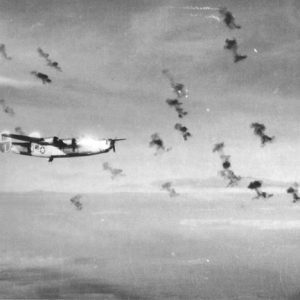
Any hostile aircraft that made it past the Combat Air Patrol then had to run the gauntlet of the gun line, escorting destroyers, cruisers, and even battleships equipped with radar-controlled AA guns firing the new and still secret VT (Variable Time) fuzed shells.
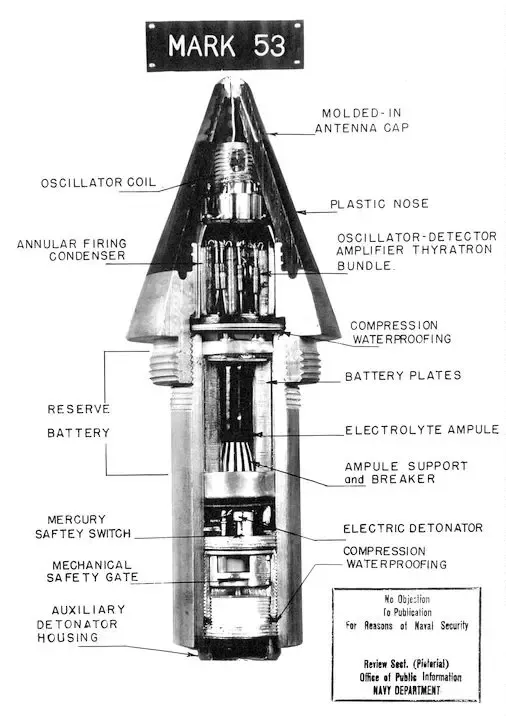
These shells contained a tiny radar unit that burst the shell when it passed near a target, exponentially increasing the likelihood of a kill.
As important as technology was, in the end, the Japanese losses were caused by numerous failures of the Japanese government and military leadership.
They did not plan for a long war. When their knockout punch at Pearl Harbor and threatening moves early in the war failed to bring on the decisive battle around which Japanese doctrine revolved, they had no Plan B. Their desire to force that decisive battle led directly to the ambush and defeat at Midway and began their decline.
They failed to recognize trained military specialists such as pilots, technicians, and naval crewmen as the valuable assets that they were. Instead of preserving them for future battles and to train the next wave of recruits, they squandered them in fruitless suicidal attacks out of an overblown sense of honor.
In the end, they set themselves on a course of steady decline against an enemy that had nearly unlimited reserves of strength. They never stood a chance.