Absolutely.
The Allies had more of an eye for strategic islands vs. heavily fortified islands.
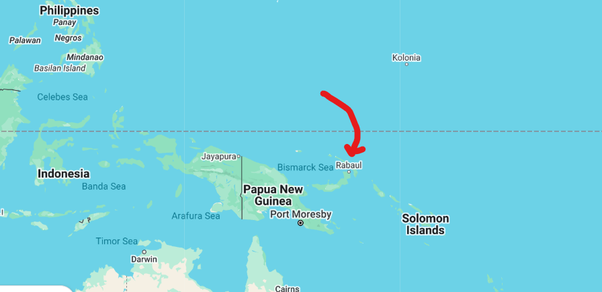
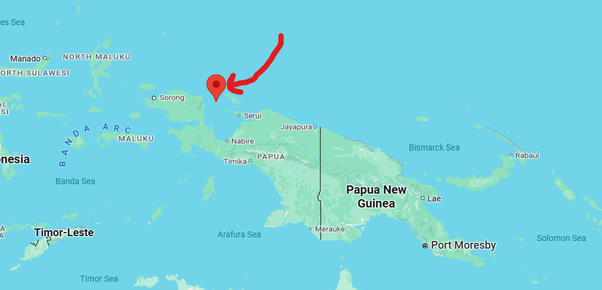
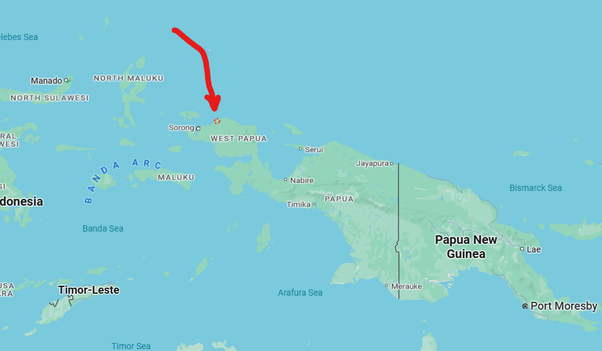
The Allies skipped over Rabaul (New Guinea), Noemfoor and Sansapor
Noemfoor
Sansapor
Morotai
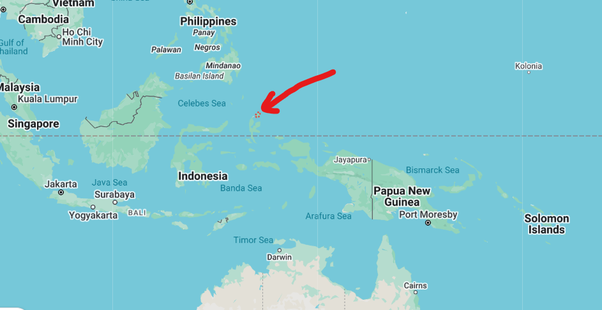
The Allies isolated these bases via air superiority and naval blockades.
The Allies would ensure that any airfields were thumped on a regular basis and any attempts to resupply by sea were met by submarines and PT Boats.
No matter how tough and how motivated, soldiers cannot survive without food, water and military supplies. The bases were effectively neutered and removed as a threat without risking an invasion force or wasting war materiel.
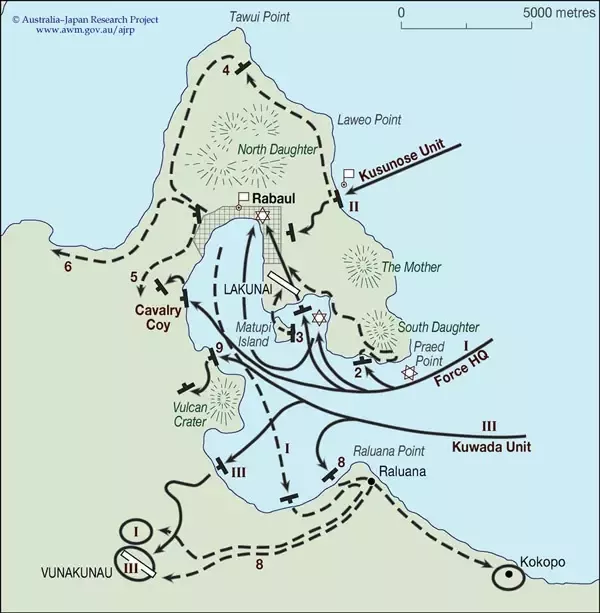
The Japanese took Rabaul, on the northeast end of New Britain Island, from the Australians early in the war and built it into a huge military base, with 110,000 Japanese troops, airplanes and ships stationed in its excellent harbor. The Japanese Imperial Army troops in Rabaul were disappointed and frustrated that they never got the chance to fight. Allied planes bombed and strafed Rabaul and any ships in the harbor, but never invaded Rabaul.
The bombing attacks destroyed a number of Japanese ships. The Japanese kept feeding fighter planes into Rabaul and lost many pilots and planes there. Several hundred Japanese carrier planes were shot down, with their pilots, and planes periodically were destroyed on the ground. The bombing raids continued throughout the war in the Pacific. The Japanese dug many miles of tunnels to protect themselves from bombing raids on the volcanic island.
Supplies from Japan stopped once the Allies controlled the seas in the area of Rabaul. Many lower-ranked Japanese servicemen had a farming background and the gardens they established went a long way to creating a self-sufficient food supply for Rabaul.
As William Befort points out, the island of Truk was similarly treated, attacked but not invaded.