Here in Portland, when I flew out of PDX to anywhere on the West Coast I used to fly in one of these:
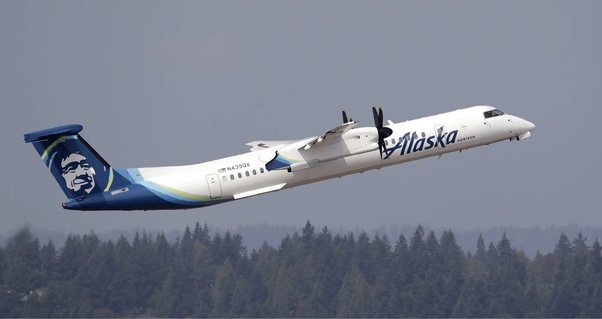
This is a Bombadier Q400 turboprop. Alaska Air used to have a ton of them, which it recently replaced with small jets.
They flew the Q400 because turboprops are absurdly cheap to operate. They’re incredibly fuel-efficient; the Q400 uses less fuel per passenger mile than driving. It was literally more environmentally sustainable to fly one of these to San Francisco than to drive.
There are three big reasons Alaska ditched them: jets are faster; pilots would rather fly jets, so it was getting harder and harder to find pilots; and having two different aircraft types (Alaska also flew jets) means having redundant service facilities and supply chains.
There’s also passenger resistance to turboprops. Passengers would rather fly in jets, dunno why. I always thought turboprops were cooler, myself, but whatever.
Anyway, turboprops are cheaper than jets, more fuel-efficient than jets, and often easier to service than jets. They also require fewer ground services than jets and can operate from rougher airports.
They still occupy a niche.
Medium-sized airplanes (above 10 seats but below around 100 seats if it’s an airliner) that don’t need to travel fast (below Mach 0.6) and prioritize endurance often use turboprops. They’re very fuel-efficient while still giving a lot of power.
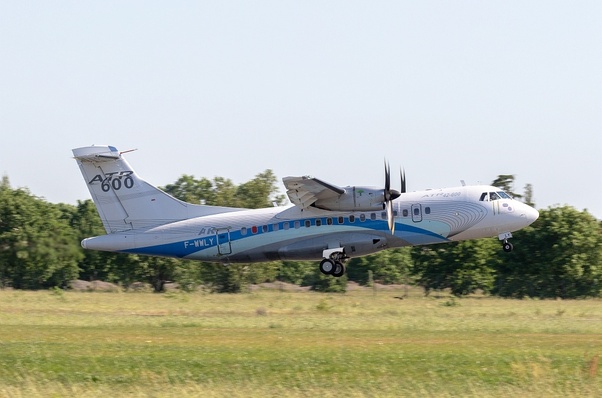
Piston engines used to be the choice but as they get larger and more powerful, they get prohibitively complicated (just look at the engine of a scooter vs a racecar vs World War 2 airplane engines). The turboprop, effectively a jet engine using its exhaust to drive a propeller, is much simpler. On the other hand, turbojets and turbofans perform poorly at low speeds.
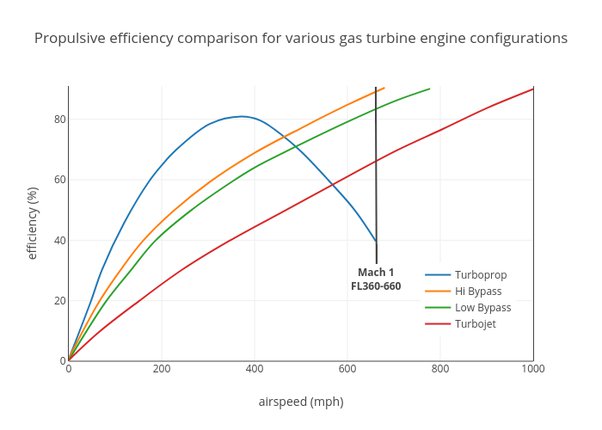
If your airplane is going to loiter around an area for a long time (for example, maritime patrol or search-and-rescue), you want propellers instead of jets since they’re more fuel-efficient. However, you might also want to bring a substantial payload for the mission, making the airplane heavy and therefore requiring more power to fly. This leads back to the turboprop as the best choice.
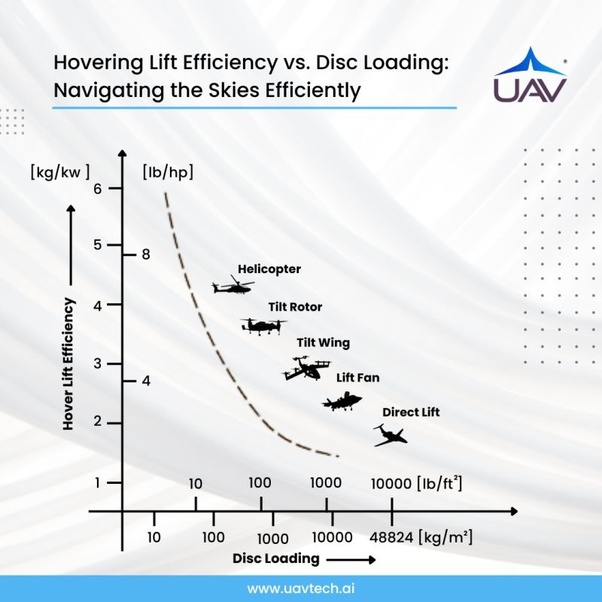
Turboshaft is also a kind of turboprop with a gear system to change the rotational motion so they can spin helicopter rotors. With helicopters, large blades are more efficient than using jet engines to provide direct lift. This provides another strong reason why we’re not seeing any VTOL jets like in sci-fi movies.
So far, I don’t think there’s any realistic concept to displace the turboprop. Electric motors are hamstrung by battery weight (which isn’t going to get better anytime soon); even assuming that’s not a problem, it’s still a motor driving a propeller with all the same benefits and drawbacks that come with it.
Hydrogen, hybrid, and whatever other proposed engines are ultimately still not that different from combustion turbine engines.
What else is there?