
The sound produced when a person farts is a phenomenon involving multiple physiological and physical factors. It mainly occurs when gas passes rapidly through the anal sphincter, causing the vibration amplitude and frequency of the gas to be relatively high, thus producing a sound.
When eating, drinking, or swallowing saliva, we unconsciously swallow some air, which enters the gastrointestinal tract and becomes part of the source of flatulence.
At the same time, bacteria in the intestines also produce various gases during the decomposition and fermentation of food, including nitrogen, hydrogen, carbon dioxide, methane, and small amounts of hydrogen sulfide, which has a distinctive odor.
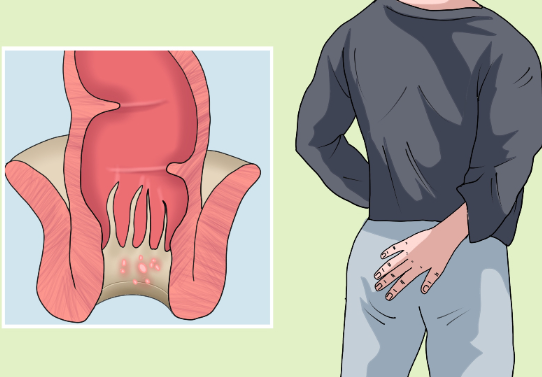
For a fart to be expelled from the body, it must pass through the anal sphincter. The anal sphincter is a group of muscles surrounding the anus, and its state plays a crucial role in the way a fart is expelled and the sound it produces.
If there is a large amount of gas accumulated in the intestines, and the pressure is high, while the anal sphincter is in a relatively tense and contracted state, the gas needs to pass through this narrow passage at a relatively high speed. According to the principles of physics, when high-speed gas flows through a narrow area, it causes strong vibrations in the surrounding air.
This vibration is similar to the sound produced when air flows through a mouthpiece or tone hole while playing a wind instrument.
The faster the gas flows and the greater the pressure, the higher the amplitude and frequency of the vibration, resulting in a louder and sharper sound. If the amount of gas in a fart is large and the pressure is high, it may produce a loud popping sound when it rushes through the anal sphincter.
The proportions of different gas components in a fart can also affect its sound. For example, a relatively high methane content may make the fart sound deeper and more muffled due to its physical properties. Furthermore, the shape, length, and internal structure of each person’s intestines differ.
These differences can lead to variations in how gas flows and accumulates within the intestines, thus affecting the speed and pressure of the fart as it passes through the anus, ultimately resulting in a unique sound.
In addition, beautiful women also fart, and the sound is quite loud.