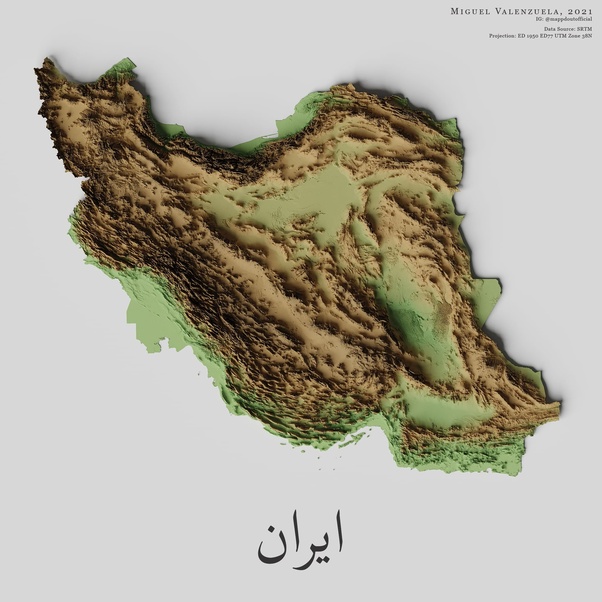
If there’s an insurgency, then yes and yes. The breeding ground that would nurture such an insurgency certainly exists:
- Enough militants who would be willing to fight the occupiers.
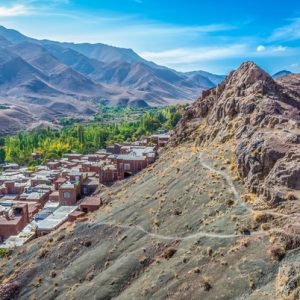
- The right terrain. Either large urban areas (the Tehran urban area has 16.8 million inhabitants) or mountains and forests. By geographers, Iran is considered an “extremely mountainous country.”
- A population that would hide, feed, and support the guerrillas. I’m sure there are many Iranians who would welcome the American occupier, but the majority of the 90 million people won’t. Bombing schools doesn’t go down well with most people.
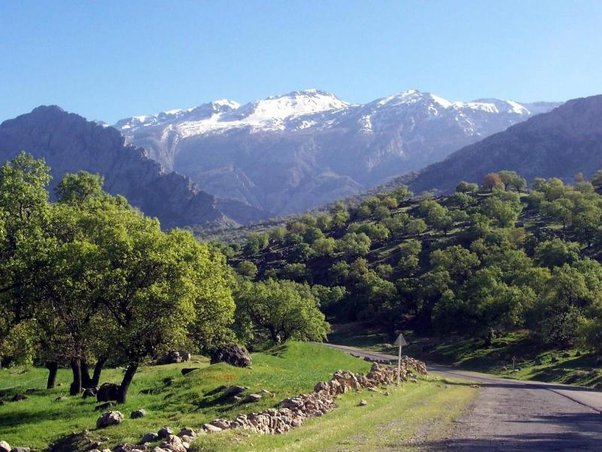
The Zagros Mountains in Iran.
- Safe havens in neighboring countries for the guerrillas to hide. Iran has not one but at least two. The country shares a border with the Taliban in Afghanistan, and there are 25 million (!) Shia Muslims living in neighboring Iraq.
- Last but not least, there’s an ideology or a religious motive for which people may be willing to die, a large pool of weapons, capable military commanders, and enough people with knowledge of modern (drone) warfare.
In short: In comparison to going into Iran, the occupation of Afghanistan was just child’s play. If the Americans were to send ground troops to Iran, they would be committing an even bigger error than the war in Vietnam.
Keep these two images in your head: A somewhat spread out population and mountains everywhere.
Now instead of thinking of sending in ground forces as fighting battles, think of ground forces as moving people and equipment around and providing those forces with everything they need. (Which is an awful lot.) This is logistics and it is the most important part of high tech warfare.
Almost all of your supplies have to move through mountains at some point. This means narrow roads and no room to manuever in case of attack. If you lose the lead vehicle, you’re stopped. Trucks cannot turn around. Mountains are some of the easiest terrain for conducting ambushes.
All your supplies, in other words are going through the type of terrain that makes ambushes easiest and repelling them the hardest.
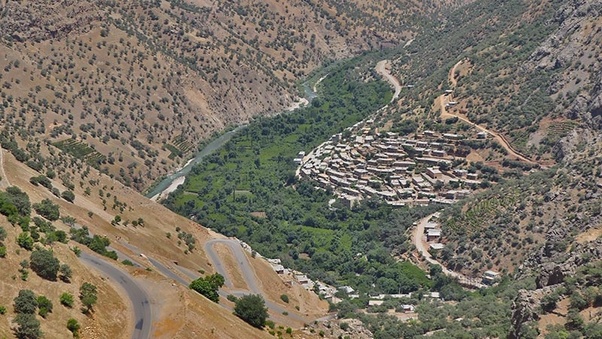
In battle, mountains massively favor the defender. (You can concentrate your forces because your flank is a mountain.) Tanks are useless, artillery isn’t very mobile, close air support is risky and closing with the enemy is very difficult.
This terrain favors troops that can move quickly and travel light in smaller groups, like, uh, guerrillas.
And because of logistics, you have to move a never ending stream of supplies through those mountains on those winding roads.
The mountains also make it nearly impossible for forces in different areas to support each other, leaving either many pockets of isolated troops or abandoning the countryside in favor of fewer, more concentrated troops in a few areas.
And that’s the heart of the problem that invading Iran presents. It’s not the power of the armed forces that matter here, this is a situation where every battle you win brings you closer to defeat because it forces you to spread out your troops in a way that progressively weakens you.
So yes, we would initially win a few battles in Iran, but the longer we stayed the less effective we would become until finally there is no good option except to leave.