Mixed feelings.
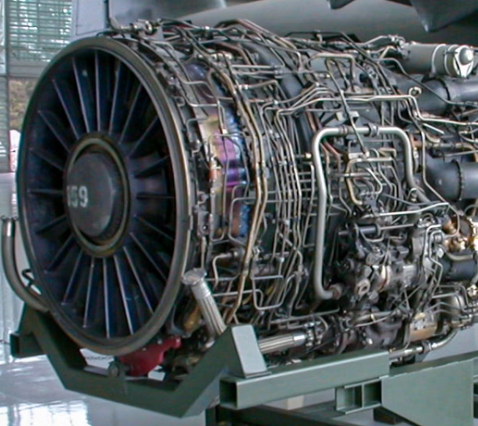
The British engine was chosen primarily because of politics. They wanted to support their own jet industry, which is understandable. They also wanted higher thrust to better operate from the smaller RN aircraft carriers.
US pilots would have liked the fact that the Rolls Royce Spey engine did not emit the brown smoke that the J-79 engines did, which made Phantoms easy to spot at a distance. It also used fuel more efficiently and had more thrust at low altitudes.
But there were serious tradeoffs. Installing the shorter, fatter Spey turbofan into the Phantom disturbed the very successful aerodynamics of the F-4, which was built around the J-79 turbojet.
It cost a lot of cash for a major rebuild of the Phantoms to fit the more expensive Rolls Royce engines and the other modifications that allowed the Phantom to operate from the smaller British carriers. It almost tripled the cost of the plane.
The UK could have purchased a lot more Phantoms if they bought them off the shelf. And despite the greater thrust, the large inlets for the Spey were not optimum at supersonic speeds and the Phantom was intended to be a very fast jet. The British Phantoms could not match the top speed of the US Phantoms.
In Vietnam, when a missile fight devolved into a turning gunfight against more maneuverable MiG-17s, the J-79 Phantoms could just disengage by bolting out of there at Mach 2+ and returning in more favorable positions.
Still, the Rolls Royce engined Phantoms were very good aircraft and quite successful.