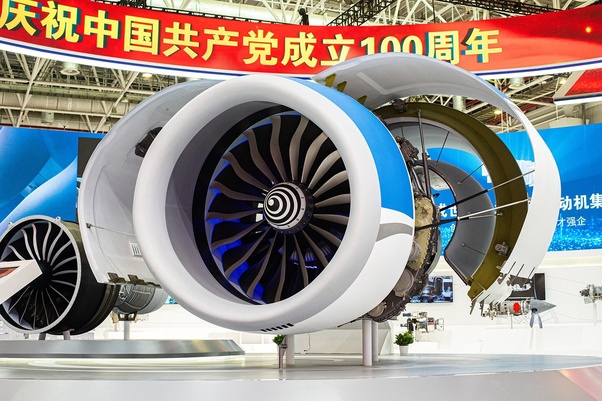
It’s actually so hard for EVERYONE to build jet engines.
One thing people rarely appreciate is that jet engine development can cost as much as developing an airplane. I think there are more countries capable of making airplanes than there are countries capable of making jet engines of any kind (turbofan, turboshaft, turboprop included).
You have countries like Japan or South Korea that are capable of making modern airplanes but have no truly domestic jet engine manufacturer. Many opt to buy foreign engines instead and they all tend to come down to a handful of names like Rolls-Royce, Pratt & Whitney, GE, and Safran (and if there are other names, they tend to collaborate with one of those big ones)

Part of it is the demanding material science behind the engine. For example, the turbine blades must be able to withstand temperature over one thousand degrees (doesn’t matter which scale) while also keeping its shape intact throughout the operation. This makes them a product of both metallurgy and precision engineering.
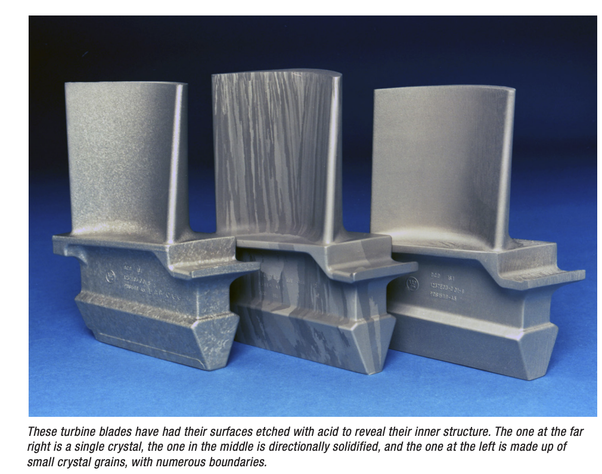
And keep in mind that you don’t just make one or a handful of these; you have to have hundreds or thousands of them. You need serious equipment and lots of engineers to get an engine factory running.
This is also why you rarely hear jet engine startups. You can have a bunch of engineers create some new airplane or even spacecraft company with their own novel concept every other month, but engines? Almost never.
As for China, they learned to build engines the same way they learned to build airplanes: Copy the Soviets. That gave their engineering establishment some experience in manufacturing before they got into designing one.
They knew the Soviet engines work, so it was a matter of building it. But because of the factors I mentioned earlier, progress was slow, especially back when China was industrializing. Other jet engine manufacturers were fortunate enough that when they were developing it, they already had a mature domestic industry and their countries were at the forefront of science and tech.
China had to play catch up with one hand figuratively tied and there’s probably no better way than learning by copying if they want to get their jet engine industry on par with the West within a reasonable number of years.
Now, they’re reaping the benefits of what they began many decades ago.