
Most of my career I have worked at independent repair shops. My early years I worked on Honda’s. We branched out to all Asian vehicles. Now I work on just about everything. At one time, we had a guy that grew up working at a Toyota dealership.
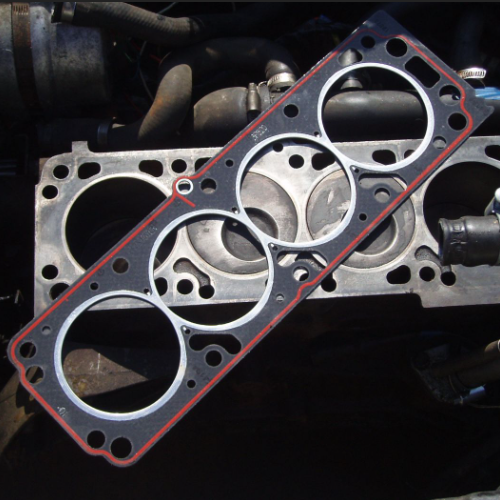
When he came to work for us, he couldn’t believe we actually took the cylinder heads all the way off and checked them for flatness and sent them to be resurfaced if they were warped. At the Toyota dealership, they would lift the head up, scrape the old gasket material off, slide a new gasket in and torque it down.
He said he could beat flat rate by 50% or more doing it that way. We didn’t pay on a flat rate schedule just to keep this type of thing from happening. All the factory dealerships I know of pay their mechanics on flat rate. The faster you work the more you get paid. So. The factory trained mechanics don’t do it right all of the time. Repeat failures have seldom happened to me because I take the time to try to do it right.
Many times if there was a repeat failures it was because the owner abused the vehicle. Once I did a clutch on a Honda. A month later it was towed in with the clutch not engaging. Took it apart again. Found the flywheel and pressure plate both badly over heated and heat checked.
Finally got the kid to admit he had been racing his friends every weekend. He got one warranty repair but was told we wouldn’t do it again if it had the same abuse.
As someone who has worked in the industry of automotive part manufacturing for many years, I will let you in on a little-known fact. When it comes to automotive parts, there are 3 grades. The first known as OEM (Original Equipment Manufacturer) are the parts that go on new vehicles on assemble lines. They have the strictest quality standard. Unless you have some inside source, you will never get your hands on these parts.
The next level of parts is referred to as OES (Original Equipment Service). These are the parts that go to dealerships that you can buy there. Their quality standard is generally not as high as OEM, but they are typically made on the same machinery that made the OEM parts.
The third level of parts are referred to as aftermarket parts. These have one goal in mind and that is lowest possible cost. These are the parts you would buy from your local auto parts store and will be the parts most often used by non-dealer repair shops.
These parts are typically not made on the same machinery as OE parts and quite often made by a complete different manufacturer. In some cases, parts that fail the quality standard of OE parts will be re-packaged and sold as aftermarket parts.
Another factor to take into consideration is how cars are assembled by the manufacturer. There are very expensive machines and tools used that a service center will never have access to. You can be sure that once a bolt is removed from a car, it will never be re-assembled to the same strict quality done by the original manufacturer. The combination of this and lower quality parts is why a repair job will rarely last as long as the original.
If the mechanic gets the cylinder head machined to be perfectly flat and level, and the top of the engine block (the ‘deck’) machined to be perfectly flat and level, uses oem or better gaskets and follows assembly torque settings appropriately, the gasket will last as long or longer than factory.
Most amateur or cheap independent head gasket repairs in the past had the guy just scrape the mating surfaces clean then slap it all back together….For decades, most domestically produced engines were made with cast iron blocks and cast iron cylinder heads, and these types of engine are far less likely to become distorted due to heat. As a consequence, traditional practices of simply cleaning everything up and fitting a new gasket worked just fine.
In the UK a combination of traditional legacy car makers disappearing and modern european and Japanese aluminium engines saw the older engines starting to be phased out during the 1970’s. in the US, the old iron motors commonly carried on right up to the end of the nineties and beyond so traditional practices were still relevant for many cars into the 2010’s
Often, and especially with aluminium engines, (like most modern engines), a head gasket failure is due to, or causes excess heat, and aluminium will warp if heated unevenly so, a replacement gasket fitted without getting the mating surfaces machined back to perfectly flat, will not last