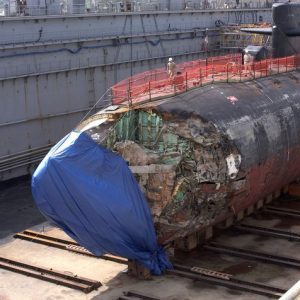
I think this photo should answer the question military planes are expected to be used in combat where they got shot at. If the crew survive a hit to the cockpit the plane will depressurize.
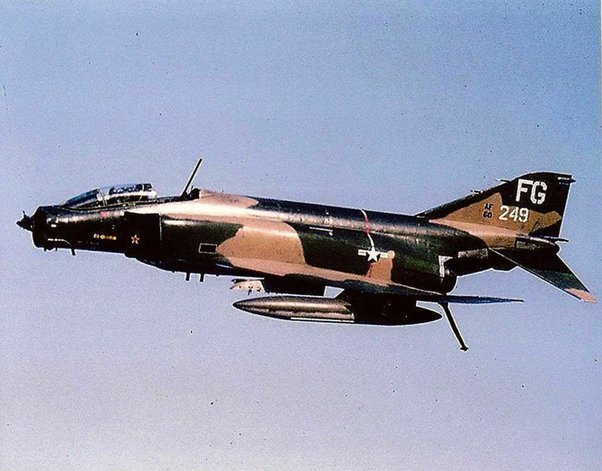
The F-4 in the photo was hit by flak- the pilot ordered the weapons system operator to eject then regained control.
So while it is possible to use a boom mic which the blue angles do
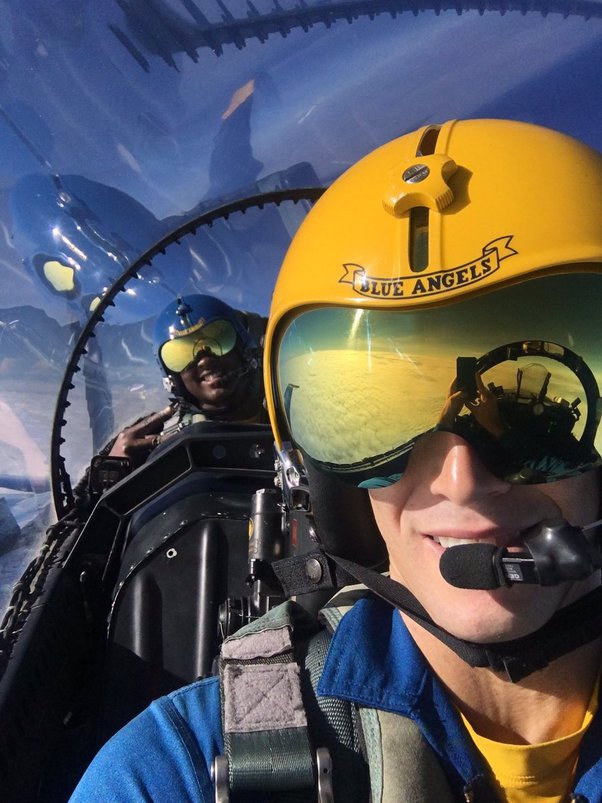
In combat using an oxygen mask to hold the mic is a better idea
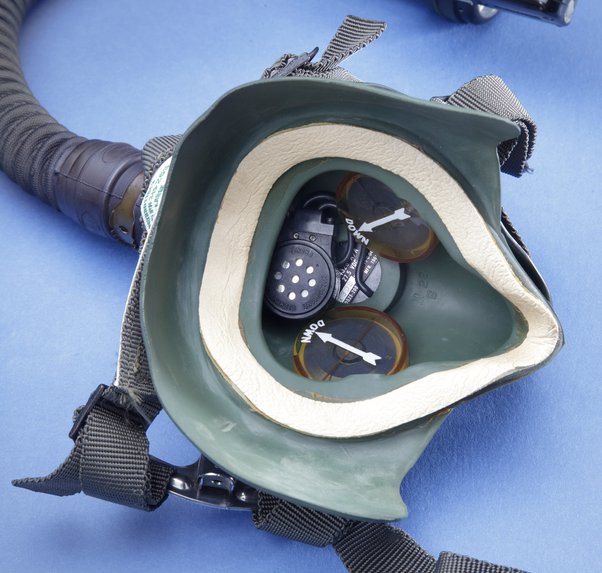
because you have people shooting stuff at you.
There are two primary reasons, but before I get to them, I’ll make the major point:
- If any country put their fighter pilots in inflated pressure suits they would quickly lose air combat battles to an enemy that was smart enough to pressurize their fighter cockpits.
Now, let’s get to the why of that.
IN CASE THE OXYGEN SYSTEM FAILS
The altitude of 25,000 feet is as high as humans can safely fly using just an oxygen mask. Our time of useful consciousness (TOC) at 25,000 and above is measured in seconds—somewhere around 30 seconds.
If the oxygen system fails at or below 25,000 while using just a mask, the pilot could have time to make an emergency descent to an altitude that will sustain consciousness. I say “could” because everything has to go just right.
There are some personal, single-engine piston planes on the market today that brag about being certified to fly at 25,000 feet. But I wouldn’t take one of them up there because too many things have to happen just right if the oxygen fails.
Because we don’t want our military jets limited to 25,000 feet, they are pressurized. A typical pressurization schedule for a fighter jet is to hold a 25,000-foot cabin at an altitude of 50,000 feet. But what’s so significant about 50,000 feet?
LIMITATIONS OF THE HUMAN BODY
The altitude of 50,000 feet is generally considered the cutoff for use of a pressure suit. Above that altitude bad things start to happen to our bodies, blood boils at those low pressures (see: Armstrong Line) even if we have a high-pressure oxygen delivery system.
Jet fighters can easily fly above 50,000 feet, though they usually are limited to 50,000 in consideration of possible pressurization failure.
So, you might say, Well, why not skip the pressurization and just fly in pressure suits?
No one wants to spend much time flying in a pressurized pressure suit. It’s an emergency because the pilot becomes like a Pillsbury doughboy! You don’t want to operate full time like that.
Even SR-71s and U-2s have pressurized cockpits and the pilots fly without their suits pressurized. If the cockpit altitude reaches a preset trigger altitude, the suits inflate, the mission task is terminated and their only job is to get to an altitude where they can fly without an inflated suit.
LET’S GET BACK TO THAT 25,000 FOOT THING
So, normal fighters pressurize to 25,000, which I already wrote is a normal cutoff for us to use just oxygen.
The U-2 couldn’t hold 25,000 at its high cruising altitudes, so they allowed that cockpit to rise to 29,500 feet and the pilots breathed 100% oxygen.
But guess what? It turns out that the 25,000 limit was a very good idea because U-2 pilots were suffering from the bends after long missions.
And so, the USAF created a U-2 upgrade program called CARE (Cockpit Altitude Reduction Effort), in which Lockheed modify 27 of its U-2s for use on long missions to maintain a cabin altitude of just 14,700 feet.
And if the high cabin altitude was a problem for U-2 and SR-71 pilots who have little need for freedom of movement in their cockpits, try to imagine the problems of a fighter pilot trying to dogfight wearing an inflated pressure suit. And thus, my opening statement that a fighter pilot flying with an inflated pressure suit wouldn’t fare well against one in a pressurized cockpit.
IN CASE YOU’RE CURIOUS
Here’s a good article that explains more about why we don’t want to routinely fly around wearing inflated pressure suits.