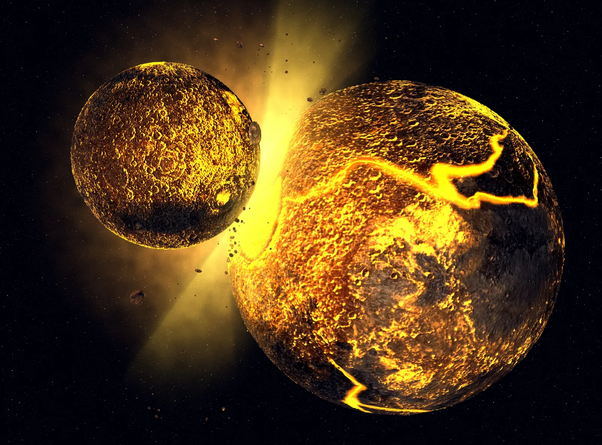
Some of its pieces are still inside our planet, deep down near the core.
But, let’s back up a bit.
Theia was a Mars-sized planet that orbited the Sun close to Earth, many eons ago.
It was probably hanging out at one of the stable points called Lagrangian points, where the gravity of the Sun and Earth balance out.
But then something nudged it out of its cozy spot, maybe Jupiter or Venus, and sent it on a collision course with Earth.
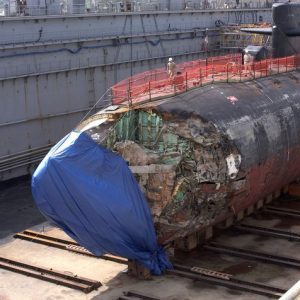
Now, this was not a gentle bump. This was a head-on smash that released more energy than you can imagine.
It melted and vaporized huge chunks of both planets, and flung them into space.
Some of that debris coalesced into the Moon, which explains why the Moon has some material from both Earth and Theia.
Some scientists have a wild idea that Theia’s iron-rich mantle sank to the bottom of Earth’s mantle, forming two giant blobs near the core.
These blobs are called large low-velocity provinces (LLVPs), because seismic waves travel slower through them than through the surrounding mantle.
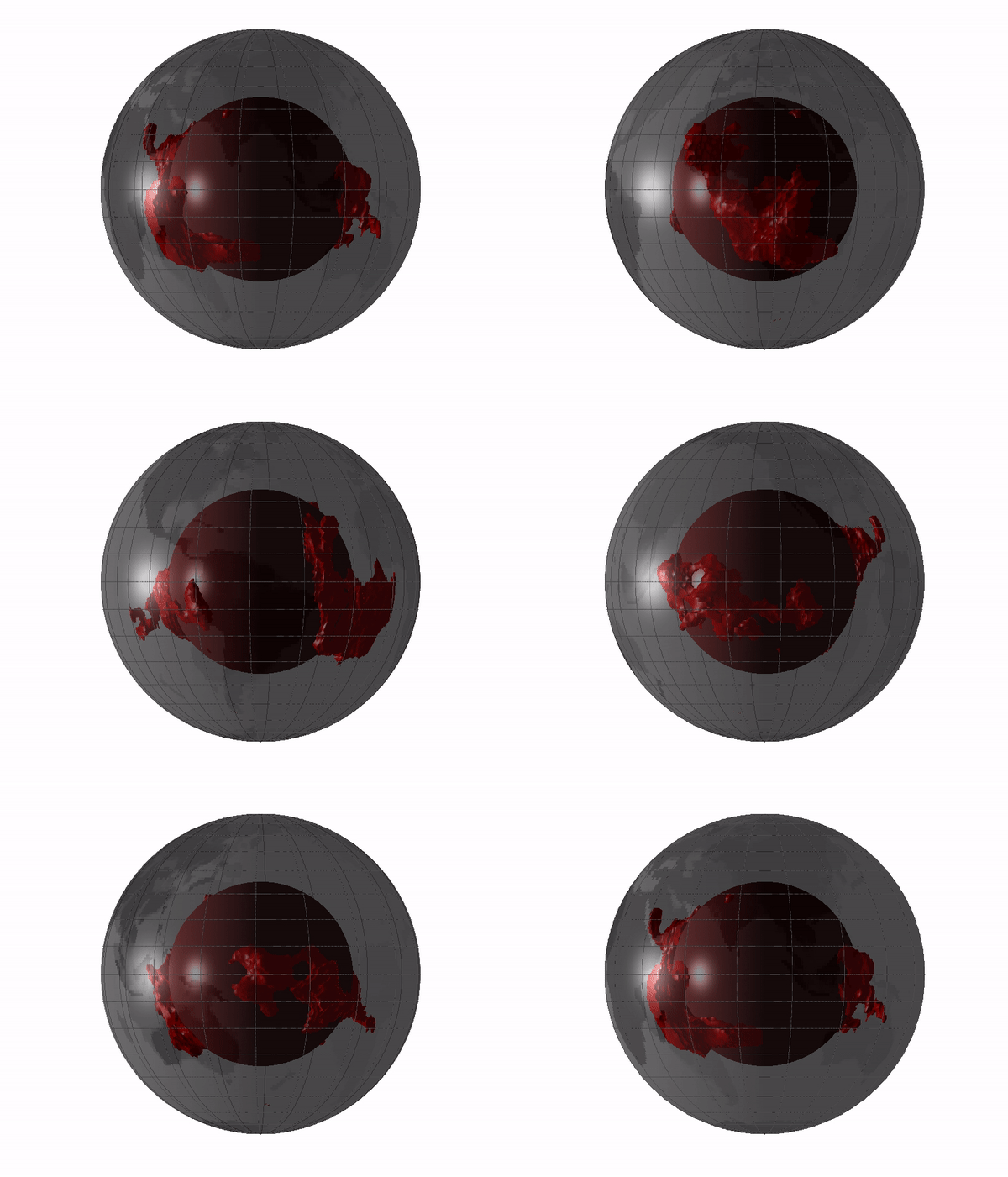
They are each twice the size of the Moon, and they have been there for billions of years.
How do we know this?
Well, we can’t exactly drill down to the core and take a sample. But we can use computer simulations to recreate the impact and see what happens to the materials.
We can also use mineral physics to calculate how different elements behave under extreme pressure and temperature.
Also seismic imaging to map out the structure of Earth’s interior can be quite effective.
When we put all these methods together, we get a pretty convincing picture that Theia’s mantle is still down there, forming the LLVPs.
This is amazing, because it means that we have a piece of ancient history right under our feet.
It also means that we can learn more about Theia’s composition and origin by studying these blobs.
Now, this is not a settled matter. There are still many questions and uncertainties about this hypothesis.
For example, how did Theia form in the first place? Was it similar to Earth or different?
How did it affect Earth’s water and atmosphere? And how did it influence Earth’s evolution and habitability?
Intriguing questions, but one thing is clear: Theia was not just a fleeting visitor that left us with a beautiful Moon.
It was also a part of us that stayed behind and shaped our planet in profound ways.