Knowledge

Was the Battleship Yamato really that big compared to other WW2 battleships?

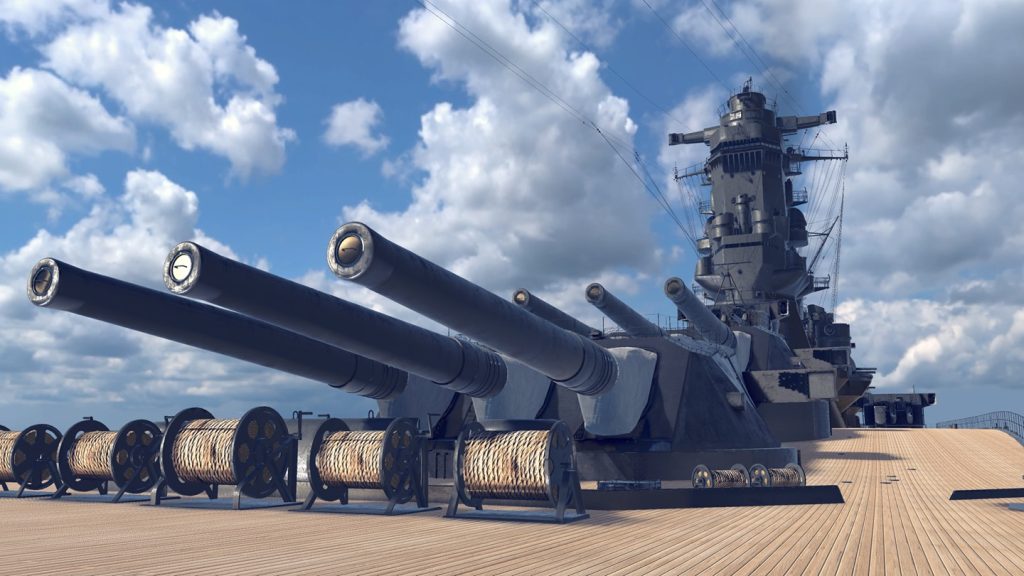
It was absolutely huge.

The USS Texas that served in Both world wars was 532 feet long and 27,000 tons.

The USS South Dakota and North Carolina classes built pre-war to treaty limits were 35,000 tons. The USS Iowa class built at the beginning of the war and entering service late in the war after the lapse of the treaties was 45,000–52,000 ton empty, or 57,000 tons loaded and 880 feet long.

The Yamato class including the sister ship Musashi completed just after Pearl Harbor were 65,000 tons empty, 72,000 ton Behemoths when fully loaded.

The US had a 62,000 ton battleship design ready in 1942 that was never started. It was wisely delayed days after Midway and the purchase of more carriers expedited.

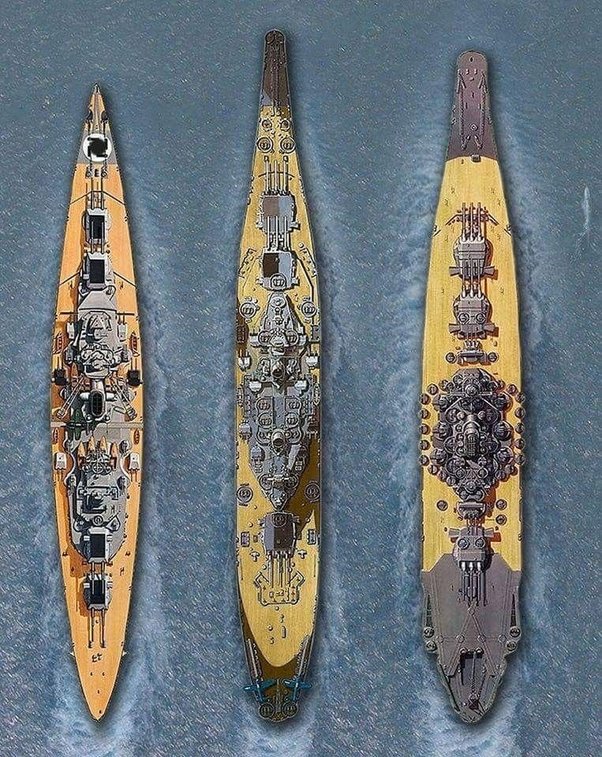
Here are same scale side by side comparisons of the (L-R) KMS Bismarck, USS Iowa, IJN Yamato classes. While the Iowas were longer the Yamatos were much more massive displacement.
Related Posts

Do submarines still have a big advantage over ships in war, or can ships find them and launch smart guided torpedoes from a safe distance?

During the time I served, if you asked a submariner what kind of ships did the Navy have, they would usually reply: submarines and targets. During one particular…

Is it better to inflate the tires a little more than recommended?

Will it make the tires last much longer? Why was I told this? Will it also make your tires more prone to blowing up if they are older…

Why do PCs gradually get slower with usage?

There’s 4 main reason for this, but only 2 of them are genuinely noticeable unless it’s a severe case of the latter reasons. Here are they by rank…

Do submarines hit things in the water?

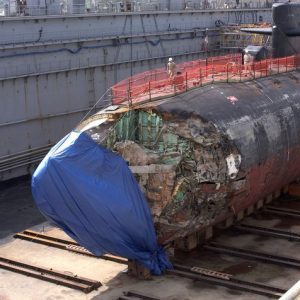
Yes they do. There have been reports of submarines hitting whales, surface ships, and other submarines. Here’s a photo of the Los Angeles class USS San Francisco after…

Can U.S. aircraft carriers get bigger? Say 75 percent or two times bigger and than they are today as well as require less manpower to operate them? What are the pros and cons of this?

Can they? As in, is it theoretically possible with current engineering? Sure. Should they is another matter, and the answer to that is definitely no. If you look at the…

Why do some aircraft like the TU-95 and B-52 outlast newer planes? What features make them so adaptable over the years?

Just because they are big. Let me explain. Nowadays, the role of a strategic bomber is obsolete, as these big flying clunks are really easy prey for modern…