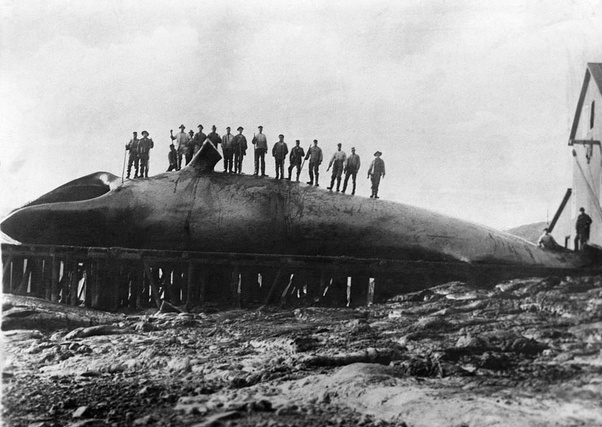
They hunted whales for their oil, not just their fat. There is a difference. Whale oil burned cleaner, brighter than any fuel in the 1800’s. It lit the streets of London and New York. And it greased the machines of the Industrial Revolution.
In fact, from 1835 to 1872, whaling killed more than 300,000 whales in the United States.
It was an utterly inhumane process, but effective. First, men would remove the blubber of the whale in long strips, melting these in the try-pots on deck.
It smelled terrible; it was dangerous at all times. But the profit was enormous.

Whale oil had many uses: it burned in lamps, lubricated fine machinery, and served to make soap and margarine.
But its most valuable product was spermaceti-a wax-like substance, candle-making quality, found only in the sperm whale’s head. Spermaceti oil burned bright and clean. It never became rancid. The very best candles were made of spermaceti.
Whaling created nations, powered American ships across the world, powered technological innovation seeking whale oil.
Coming in the 1860s, kerosene replaced whale oil and spared the whales, but also altered the way humans illuminate their world.
The legacy remains though. Modern industrial lubricants trace their development to whale oil. The first petroleum prospectors called their product “rock oil” to distinguish it from whale oil.
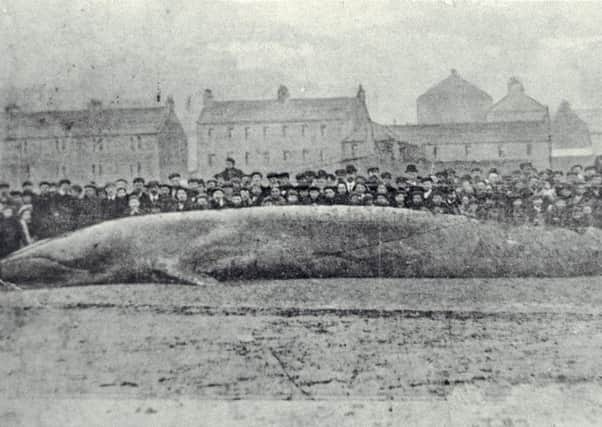
Whaling stopped not because of anything to do with conservation and saving the whales, but because people found something cheaper buried beneath the ground.
The last American whaling ship sailed in 1927. It was a dead industry. The knowledge of rendering whale oil did not die.
Some countries are still killing whales, but nowadays for their meat, not oil. Whale oil has seen its age. It has left its marks in the annals of mankind.